
The short answer: October has been Breast Cancer Awareness Month since 1985, when a weeklong campaign was launched to encourage women to get mammograms and catch breast cancer early. Three years earlier, in 1982, Nancy G. Brinker founded Susan G. Komen® to keep a promise to her sister, Susan, who died of breast cancer at just 36. Together, those two stories are why so much of the world turns pink every October.
A Promise Between Sisters
Susan Goodman Komen was diagnosed with breast cancer in her early thirties. She died in 1980 at age 36.
Before she died, her younger sister, Nancy, made her a promise: that she would do everything she could to end the shame, pain, fear, and hopelessness that came with breast cancer. Nancy has said she believed Susan's story might have ended differently if they had known more about the disease and how to treat it.
In 1982, in Dallas, Texas, Nancy kept her promise. She founded the Susan G. Komen Breast Cancer Foundation, known today simply as Susan G. Komen®.
When No One Would Say "Breast Cancer"
It's hard to imagine now, but in the early 1980s, breast cancer was something people whispered about, if they talked about it at all. According to Komen, newspapers hesitated to even print the words "breast cancer." There was no internet, no helplines, and very few support groups. Treatment options were limited, and so was research funding.
Komen set out to change that. In 1983, the organization held its first Race for the Cure®, which grew into one of the best-known breast cancer fundraising events in the world. Komen also helped pioneer what's called cause-related marketing: partnerships that let everyday people support the cause through the brands they buy from.
That idea is exactly what makes partnerships like ours possible today.
How October Became Breast Cancer Awareness Month
National Breast Cancer Awareness Month began in October 1985 as a one-week event. It was organized by the American Cancer Society together with the pharmaceutical division of Imperial Chemical Industries, a company that later became part of AstraZeneca. The goal was simple and urgent: teach women about breast cancer and encourage mammograms as a tool for early detection.
Former First Lady Betty Ford helped bring attention to the campaign. She had been treated for breast cancer shortly after her husband, Gerald Ford, became president in 1974, and she spoke about it openly at a time when few people did. Her honesty helped more women feel they could talk about the disease, too.
That one week grew into a full month, and October has belonged to breast cancer awareness ever since.
The Story Behind the Pink Ribbon
The pink ribbon didn't start out pink. In the early 1990s, a woman named Charlotte Haley, whose family had been deeply affected by breast cancer, began handing out homemade peach-colored ribbons in her community to push for more cancer prevention funding.
When Self magazine and Estée Lauder asked to use her ribbon, Haley said no. So they created a new ribbon in a softer, brighter color: pink. In 1992, pink ribbons were handed out at Estée Lauder counters across the country, and the symbol took off. Komen is also often credited with handing out pink ribbons to participants at one of its races in 1991.
Today, that little pink ribbon is one of the most recognized symbols in the world.
What Awareness Means Today
Awareness isn't just about wearing pink. At its heart, it's the same message it was in 1985: know your body, know your risk, and don't put off screening.
If you're not sure when you should be screened, talk with your doctor. For trusted information about breast cancer, screening, and support, visit komen.org.
Why 4Joy® Plays Pink
At 4Joy®, we're proud to be an official partner of Susan G. Komen®. For us, this has never been just a business decision. It's personal, and it's part of why 4Joy exists: to make paddles that bring joy to the court while supporting something bigger than the game.
Through our partnership, 4Joy takes part in Komen's Shop for the Cure program, which connects purpose-driven brands with shoppers who want their purchases to make a difference, and its Celebrate Moms campaign. You can read more in our post about renewing our Susan G. Komen® partnership.
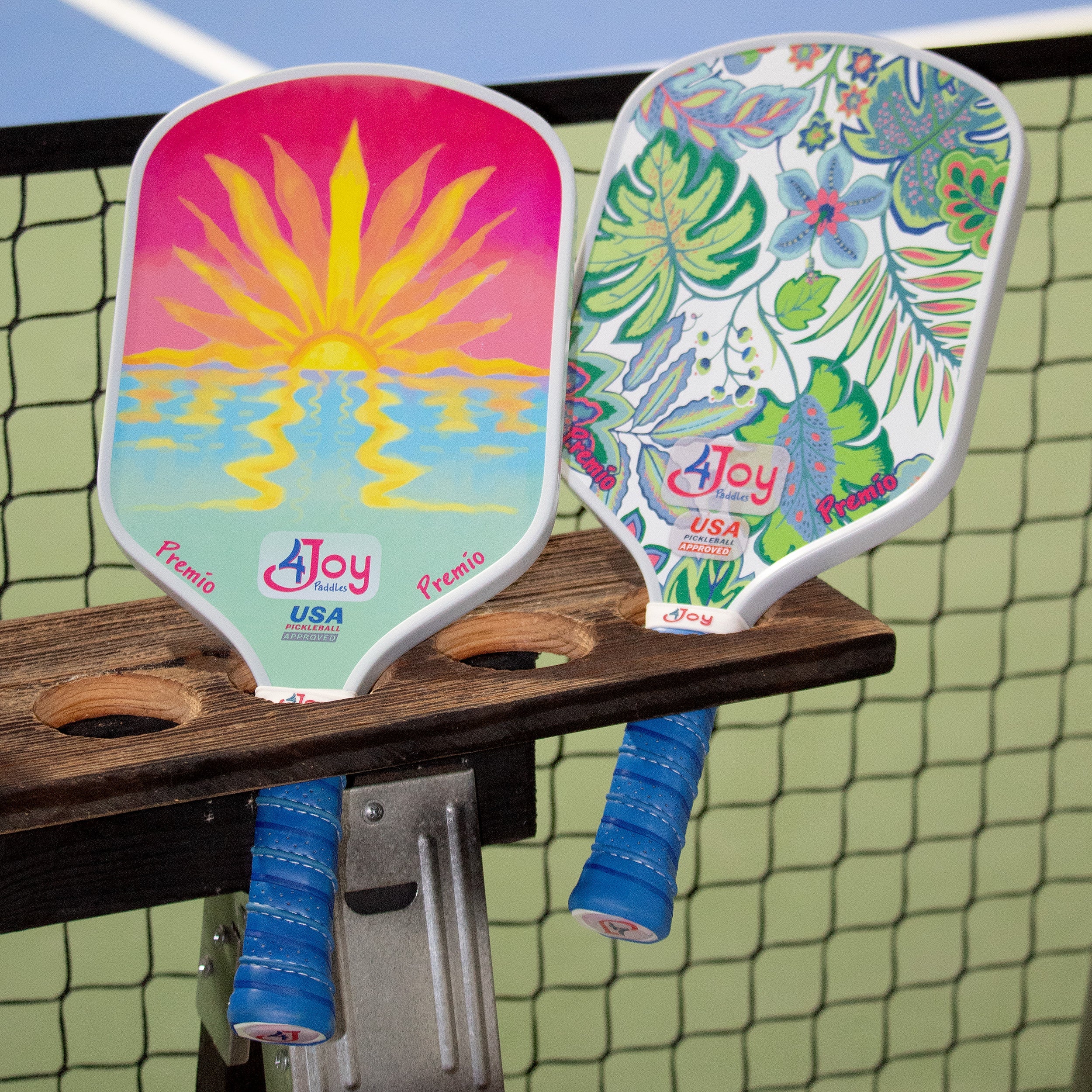
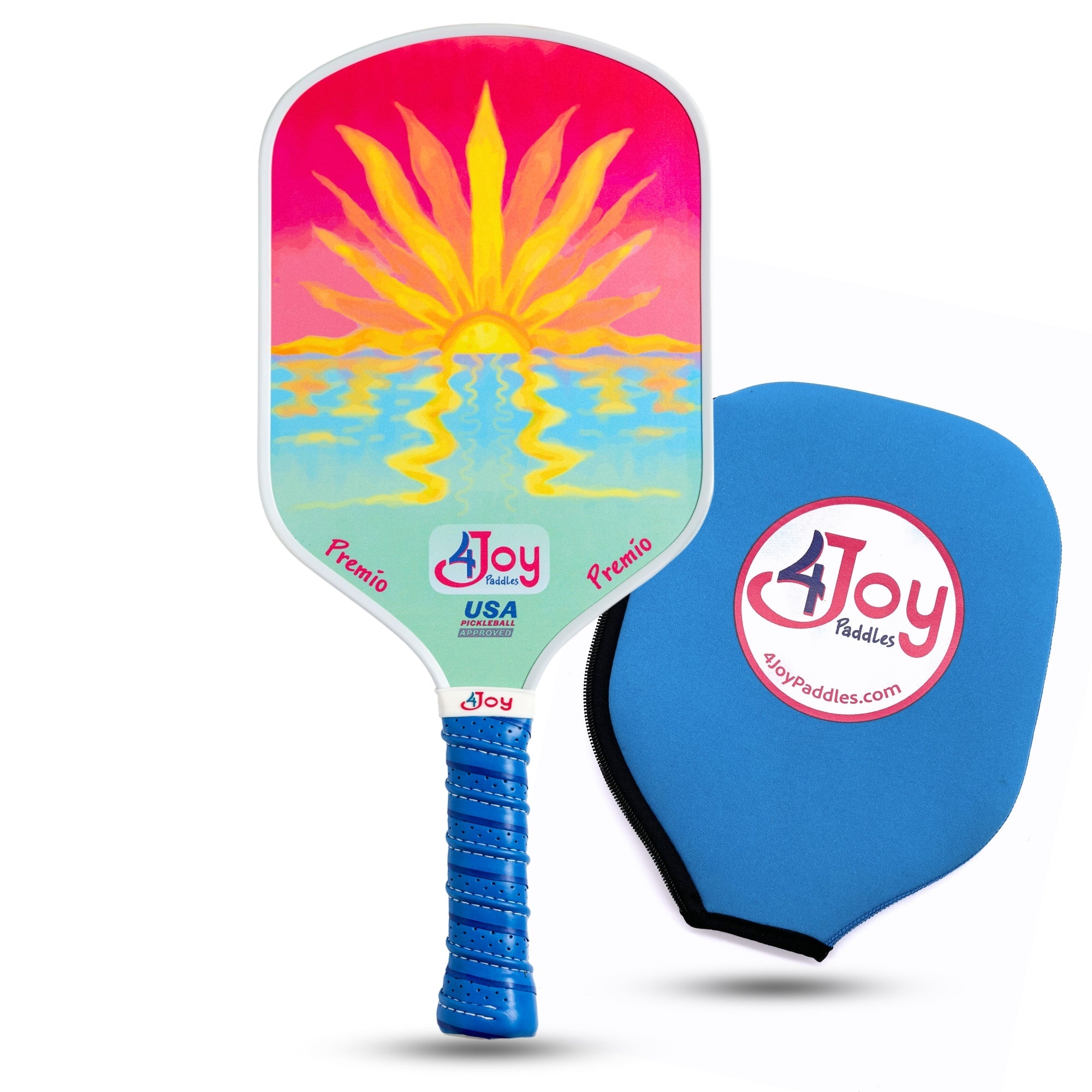
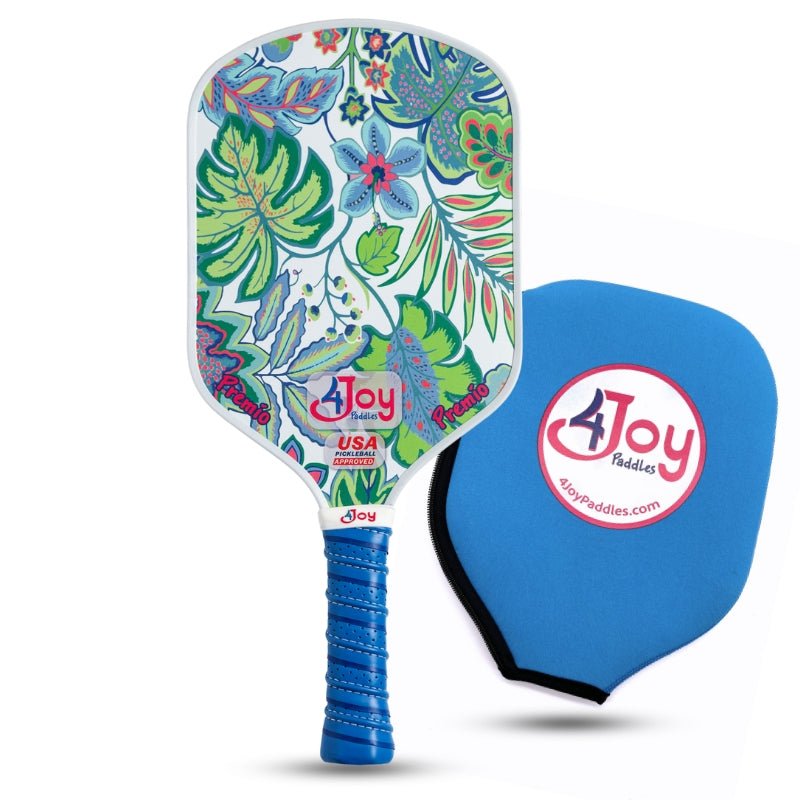
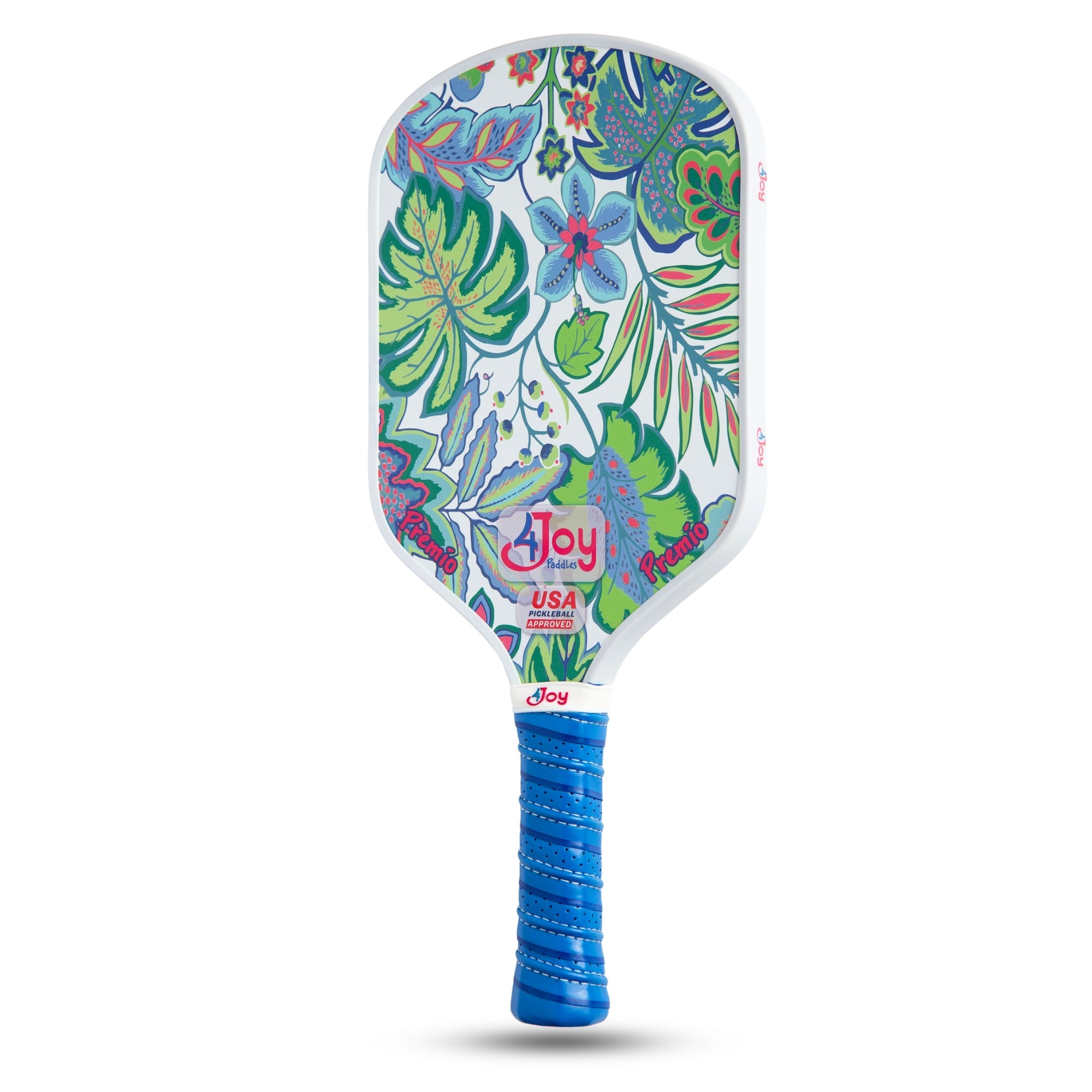
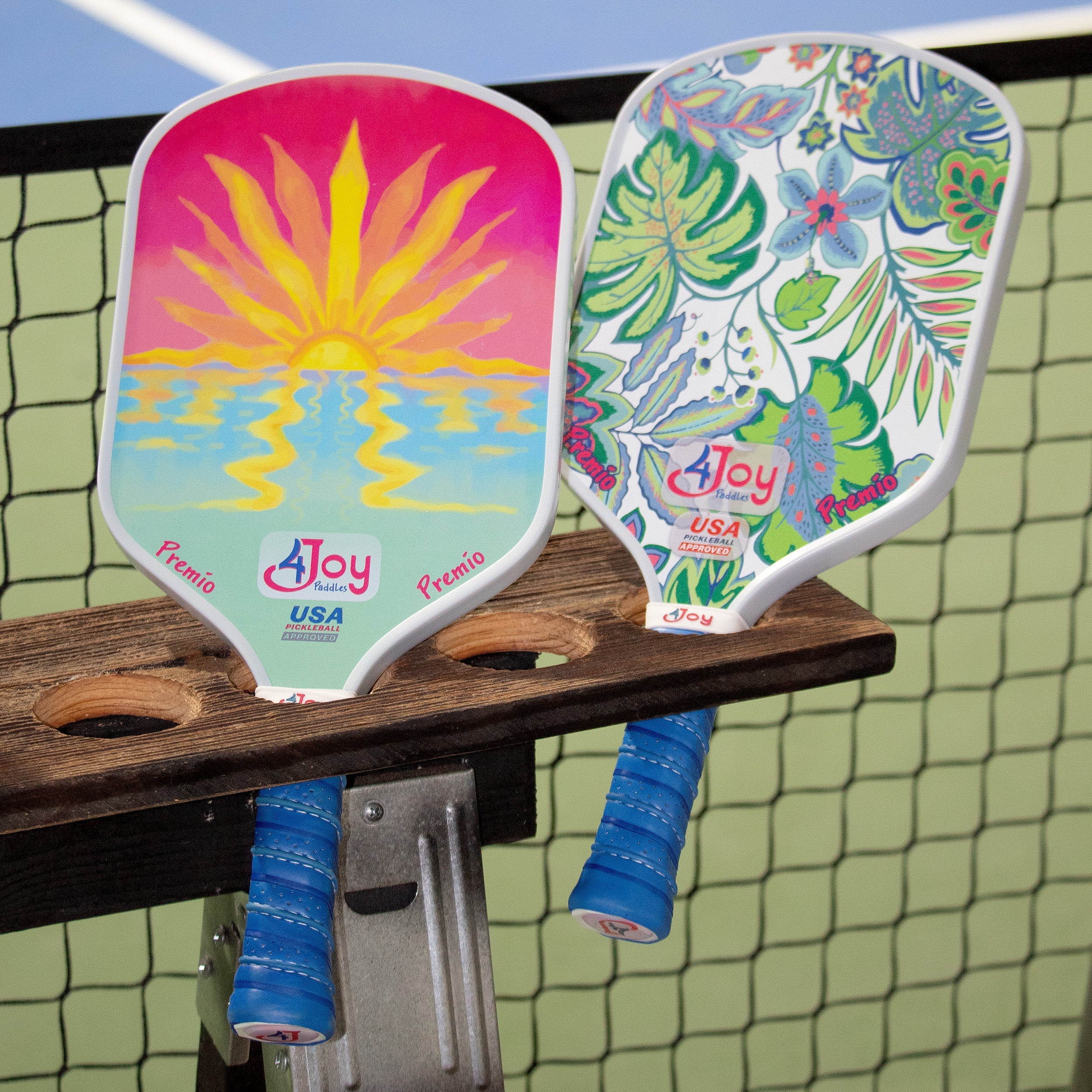
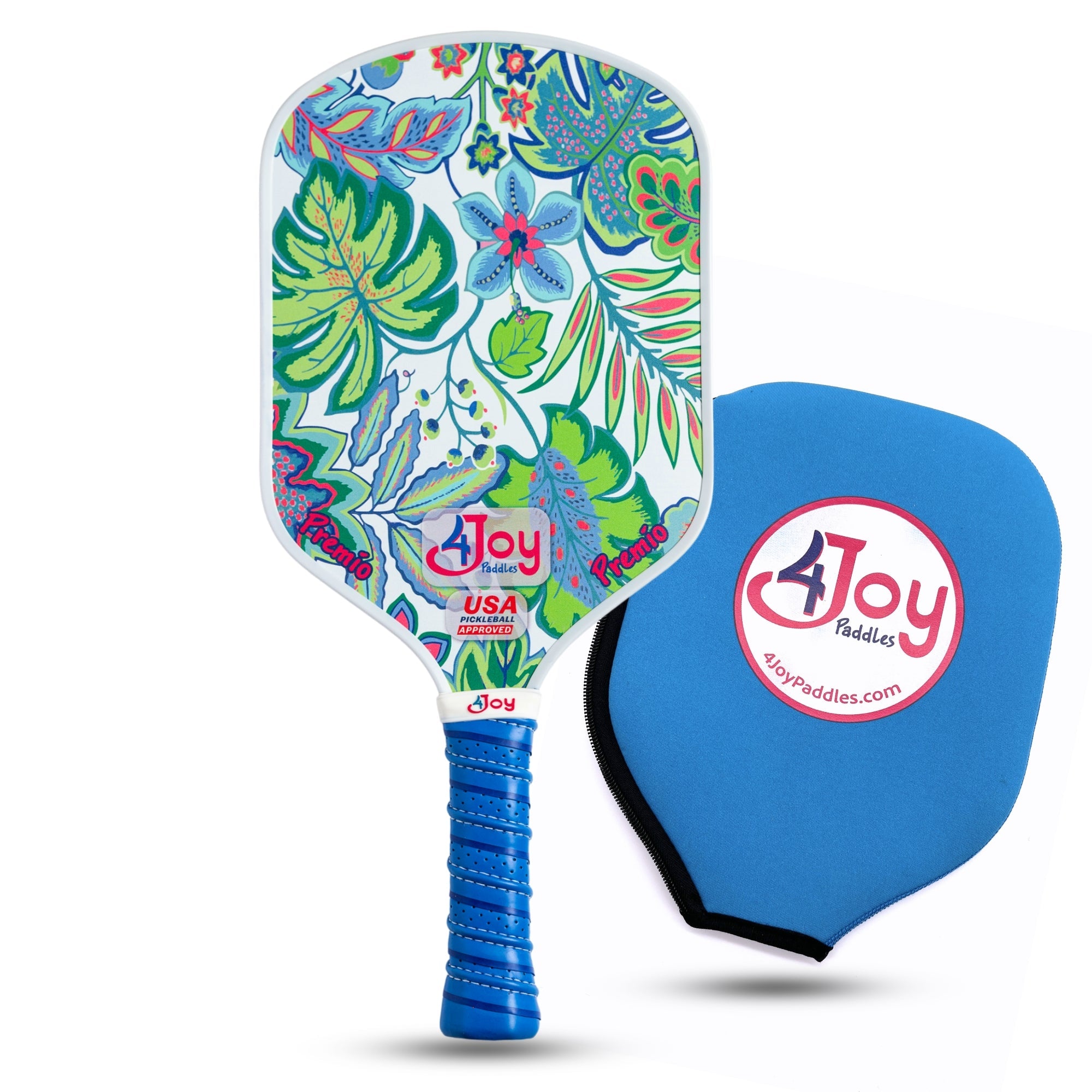
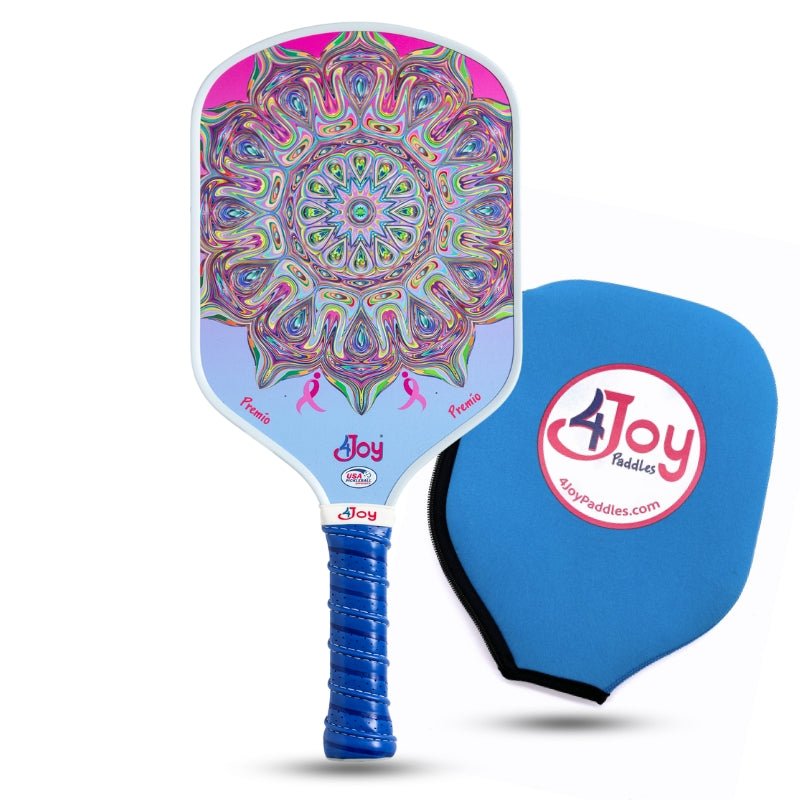
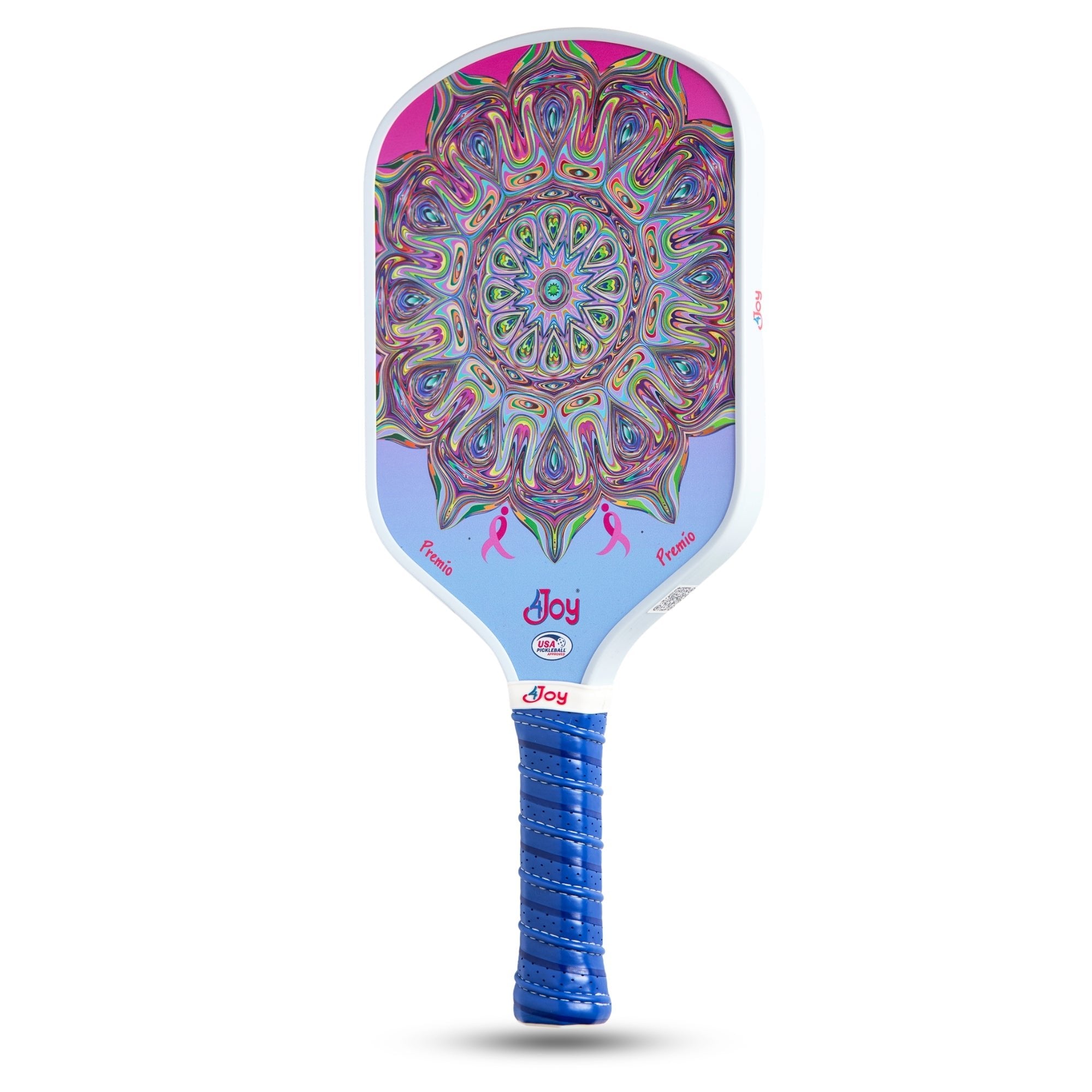
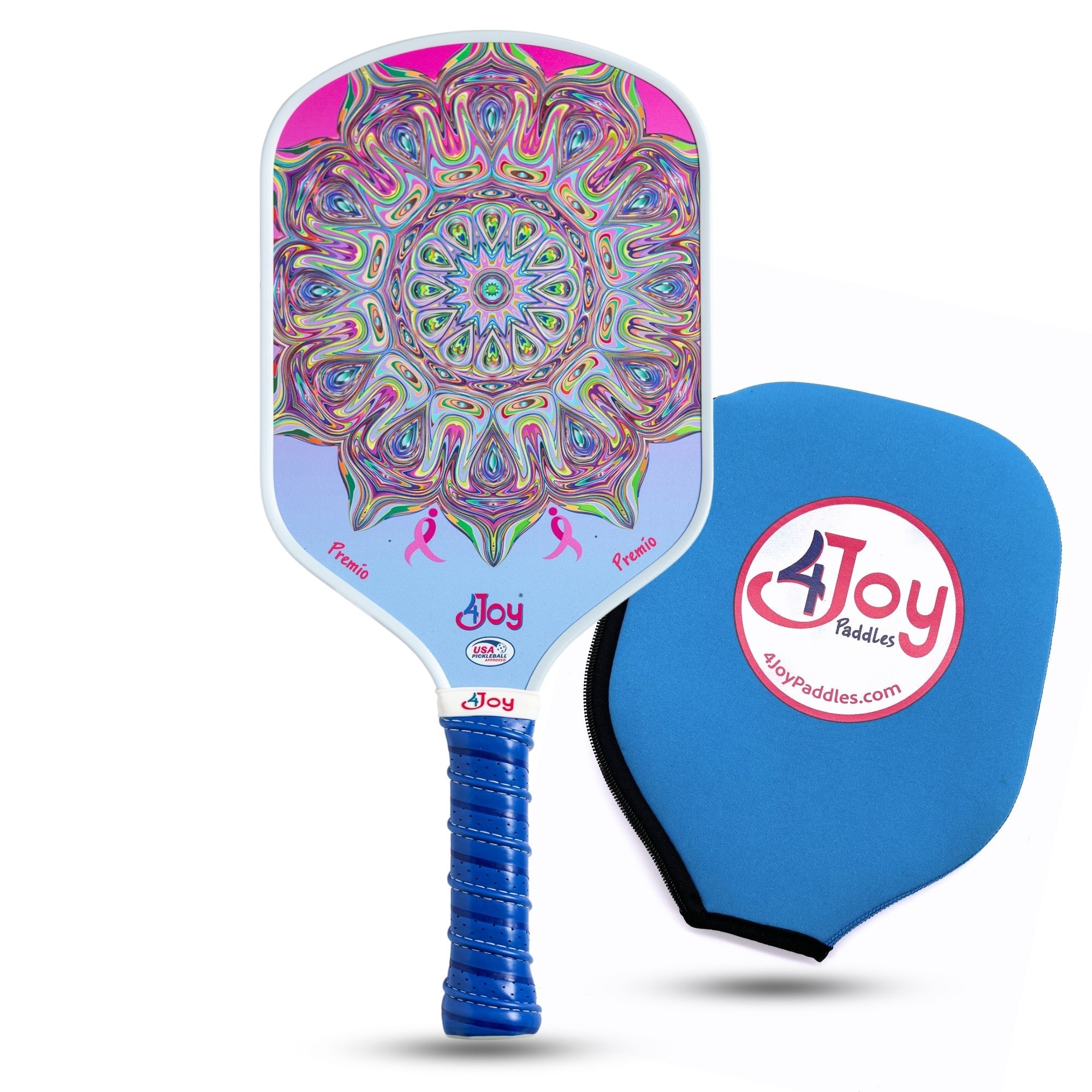
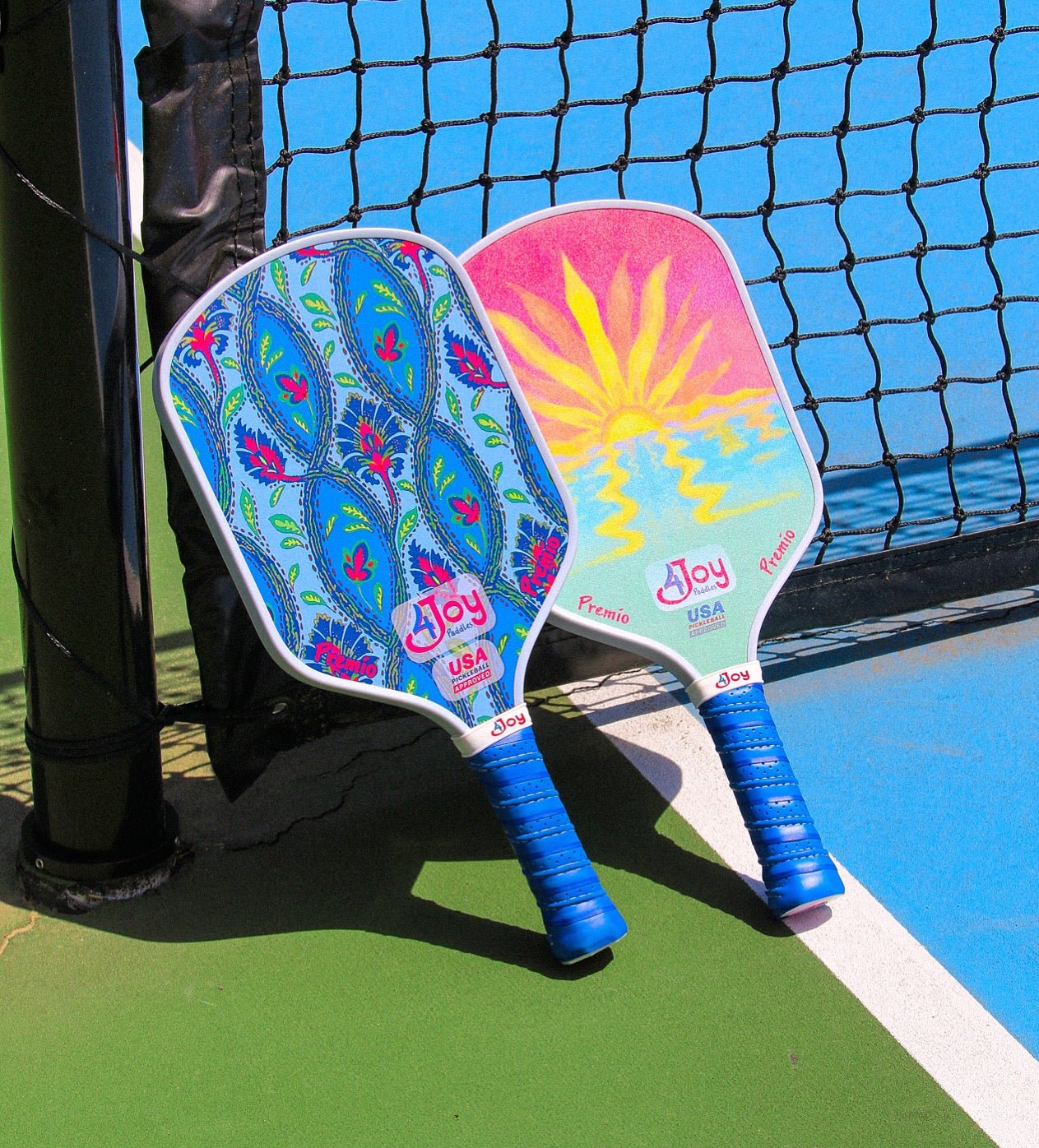
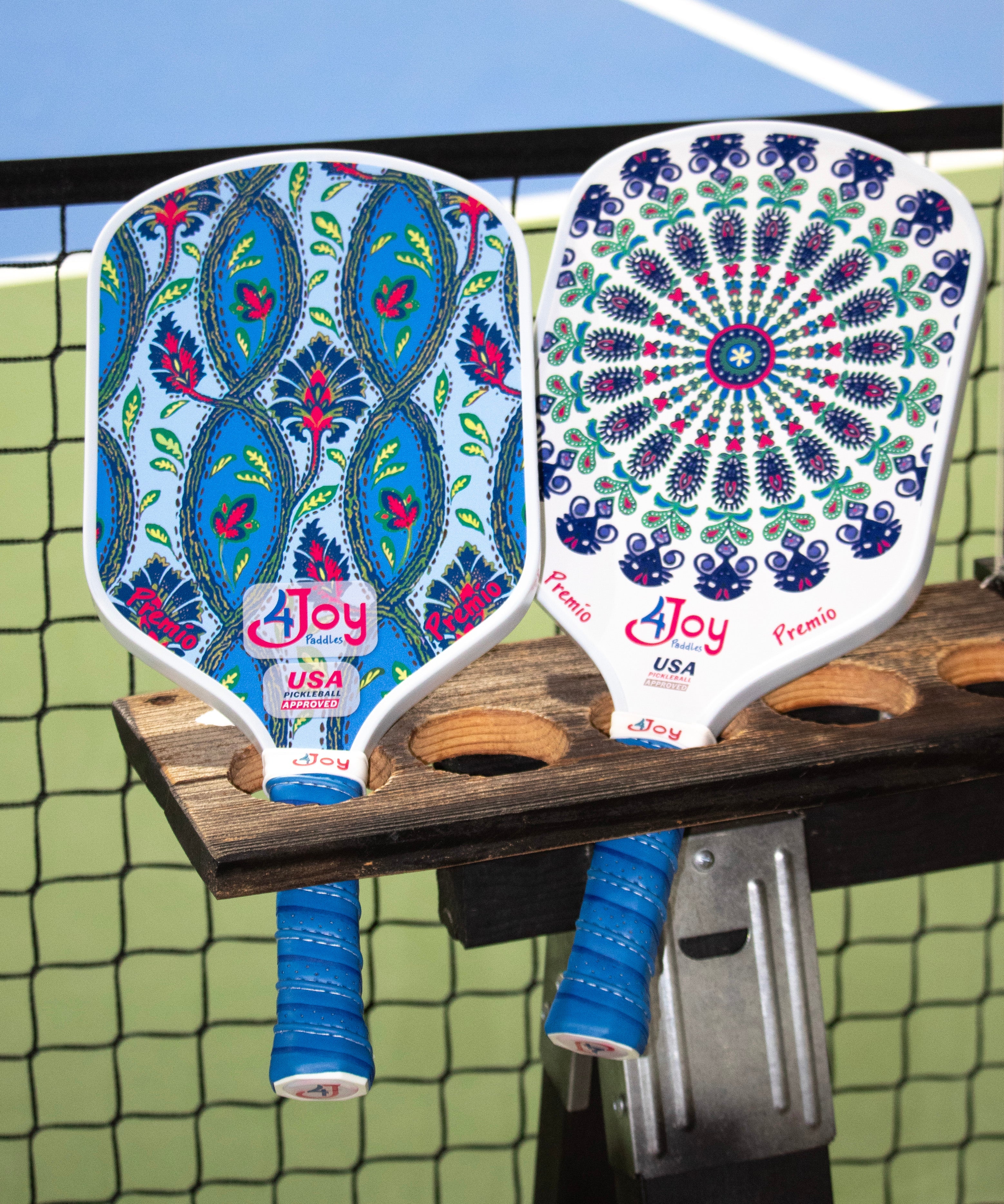
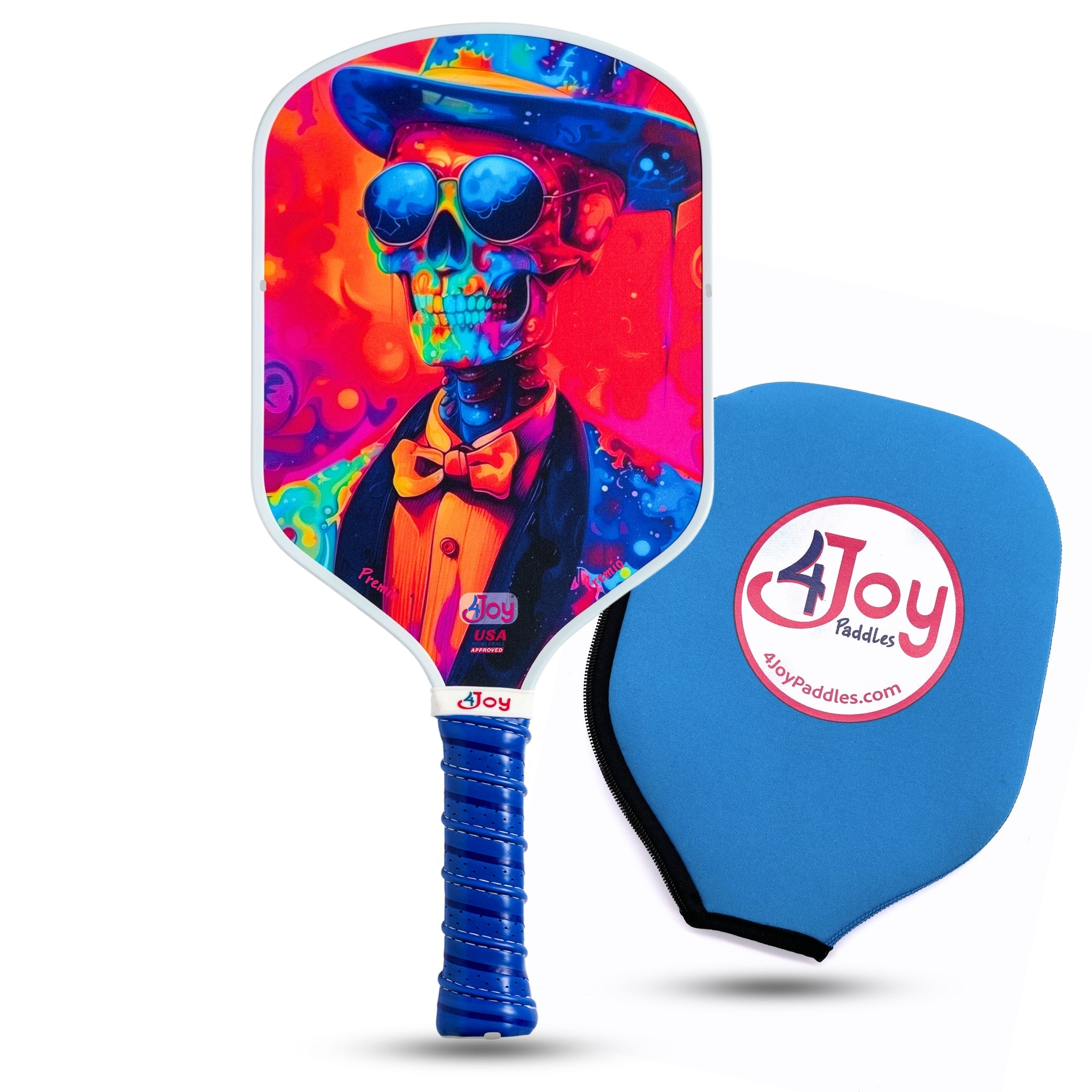
Our DinkForPink collection was designed to let players carry that support onto the court:
- AMP4 Special Edition DinkForPink ($95): Lightweight and forgiving, a great choice for newer players.
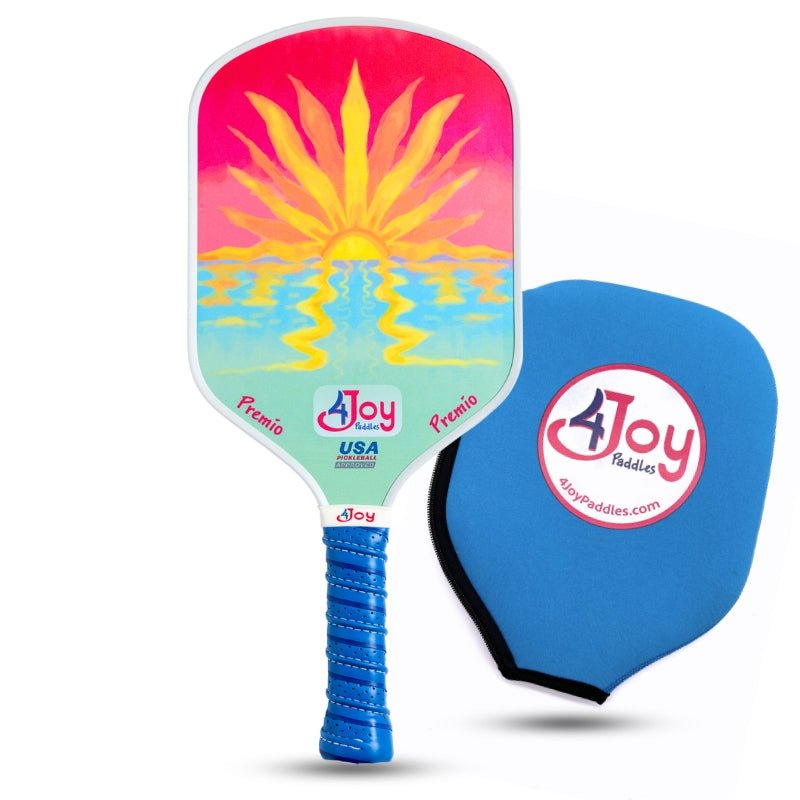
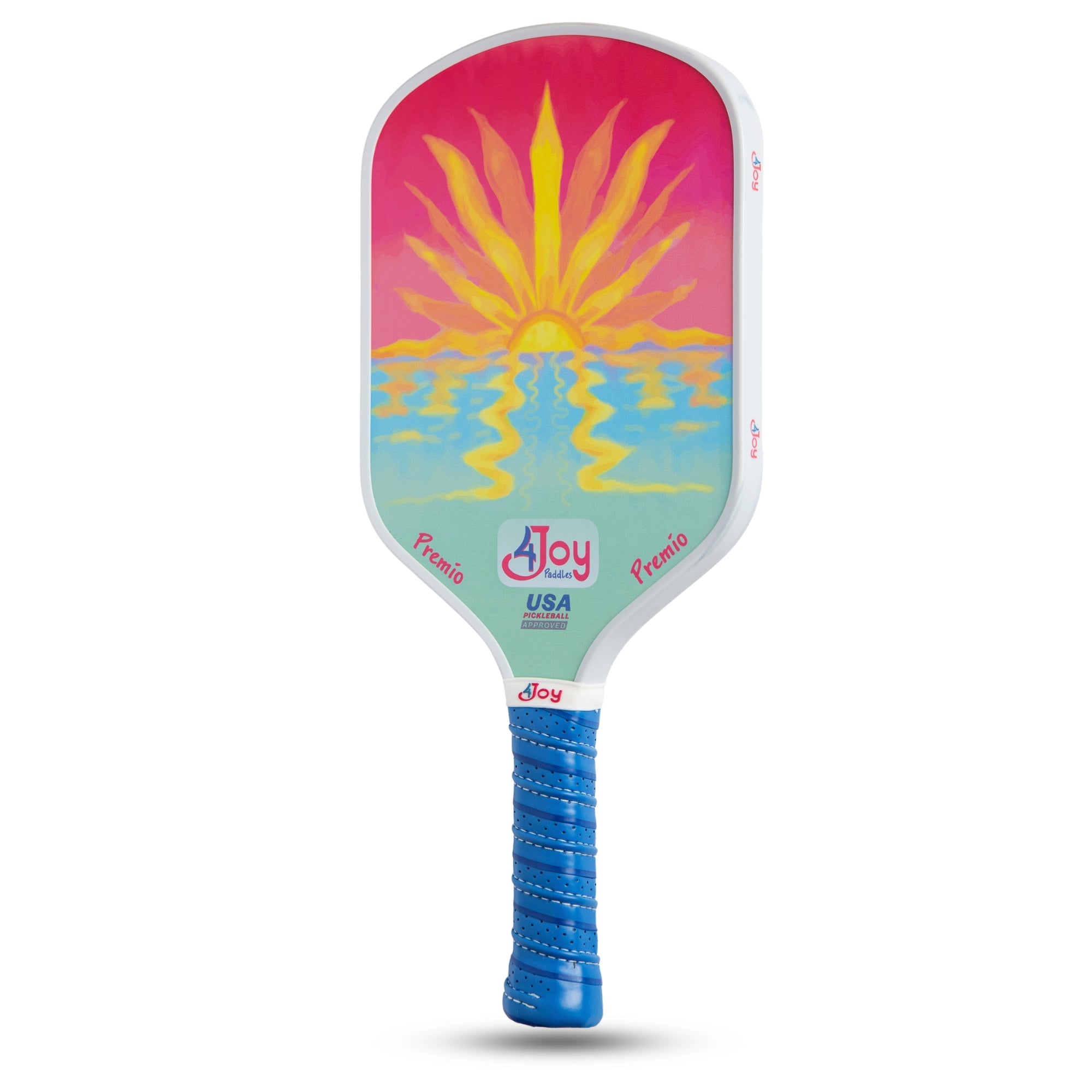
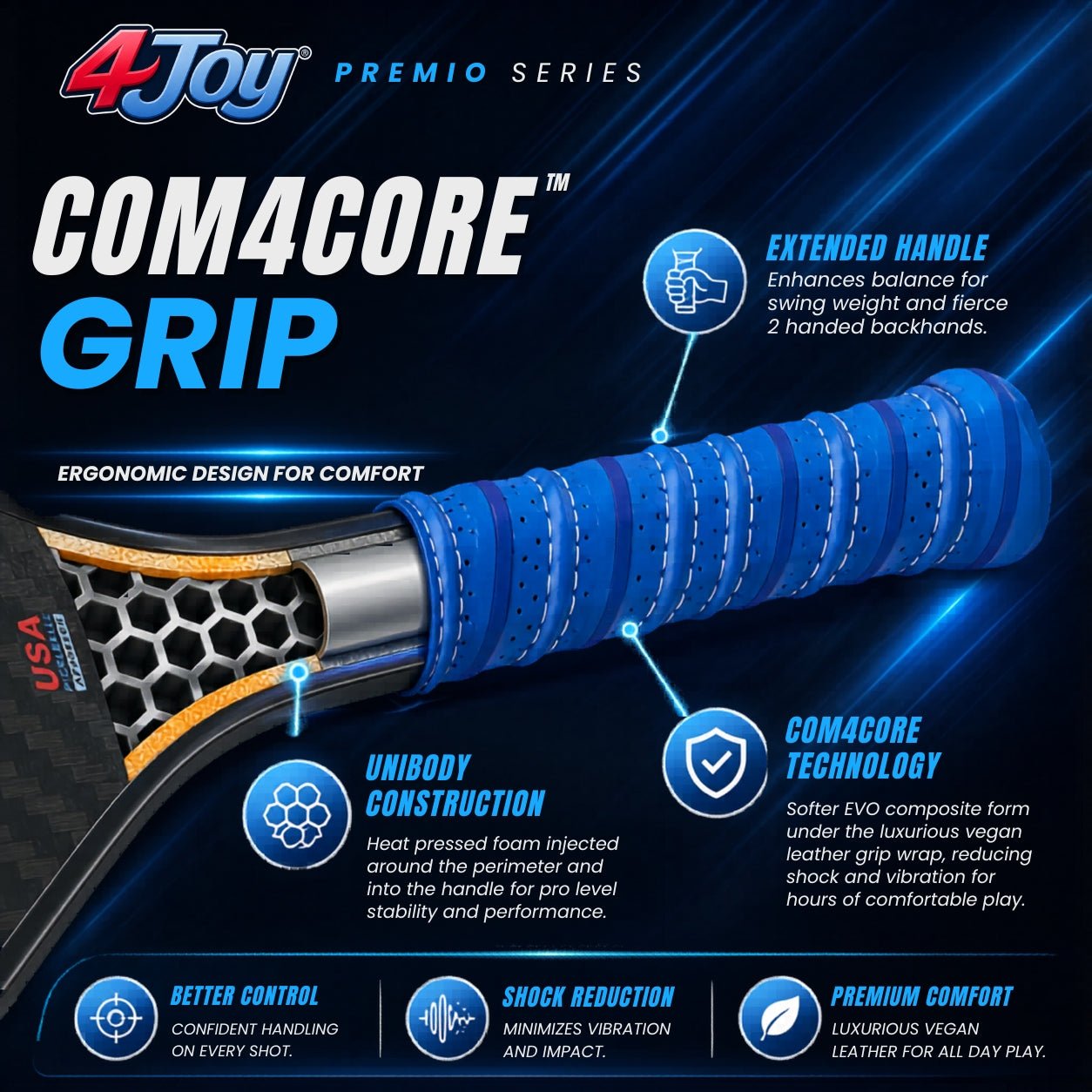
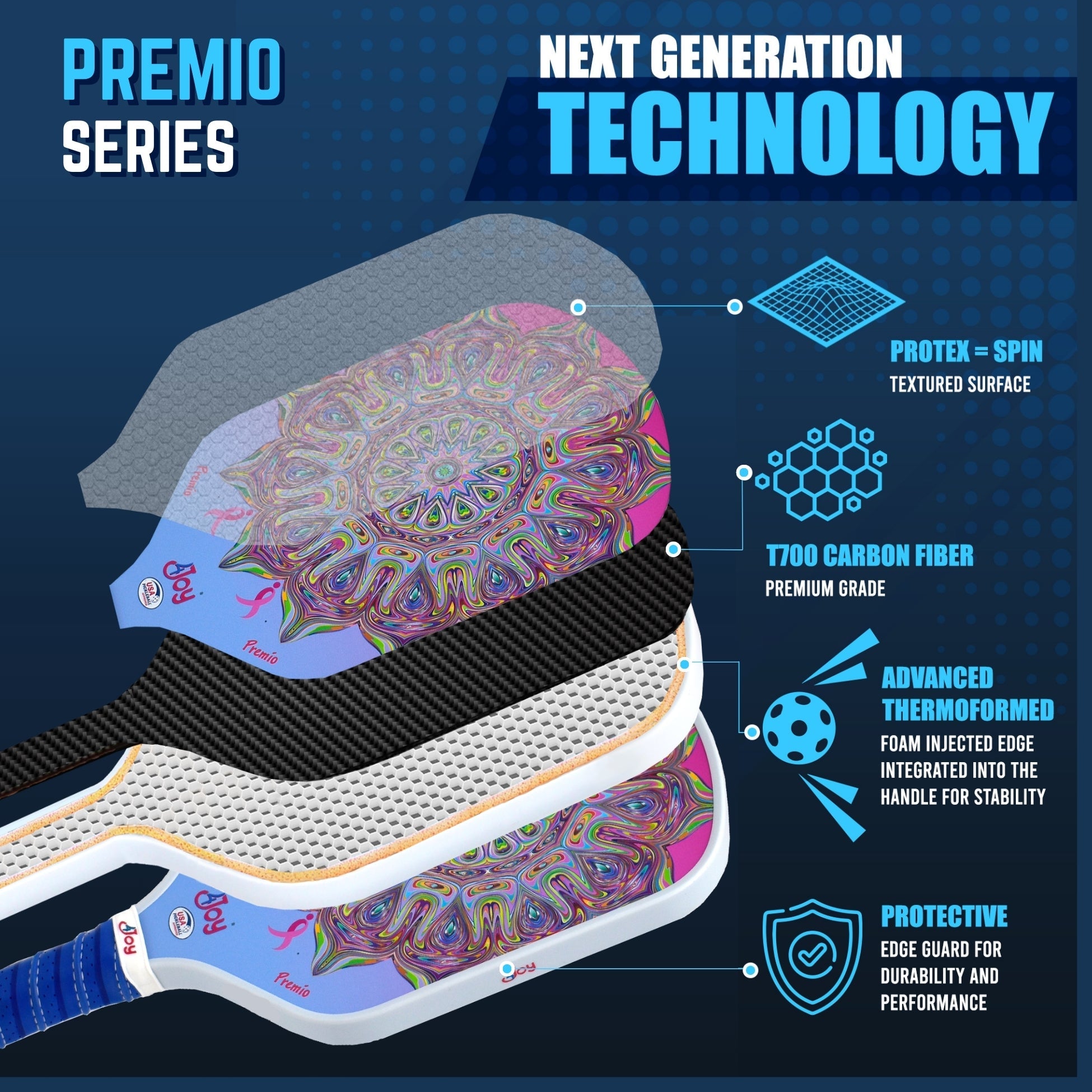
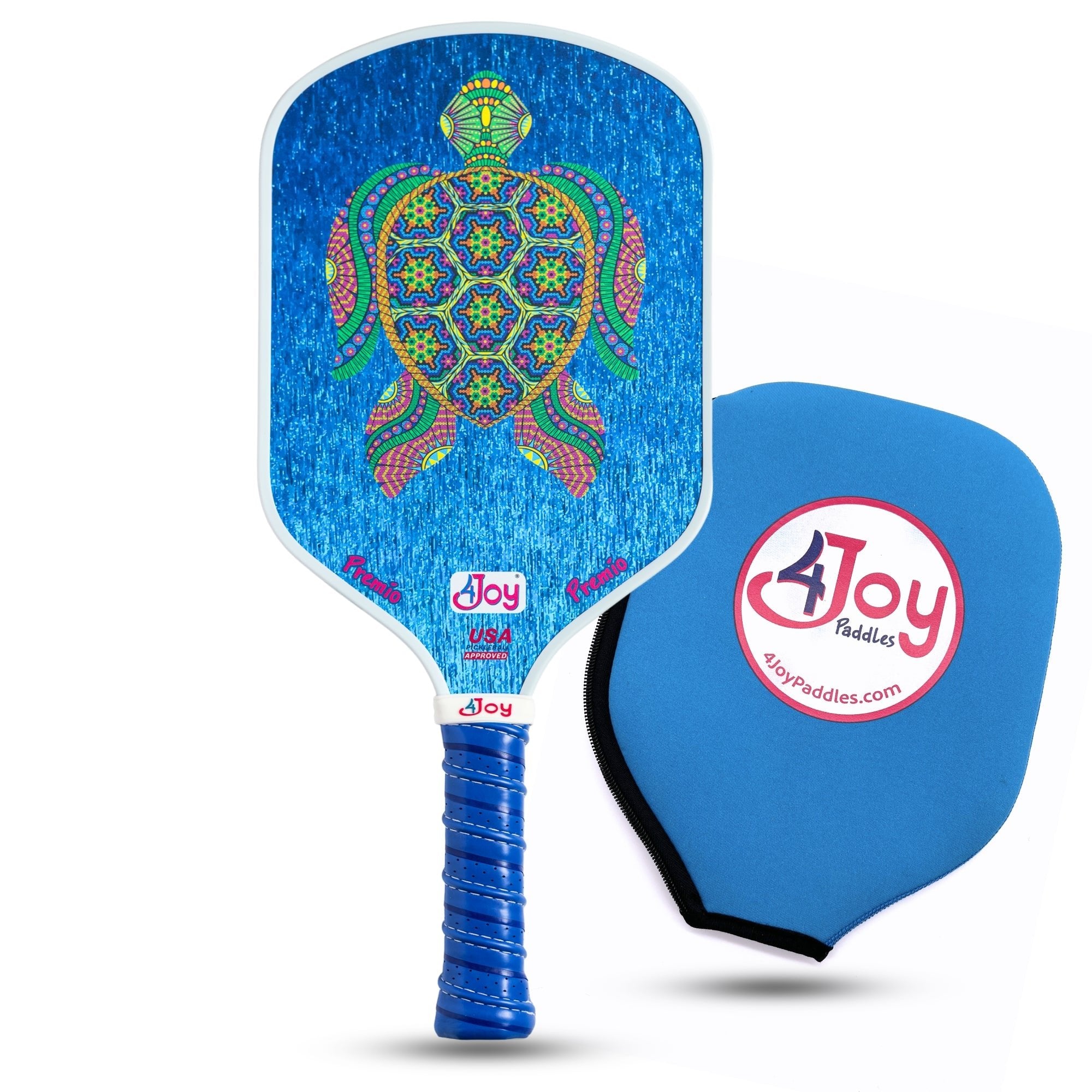
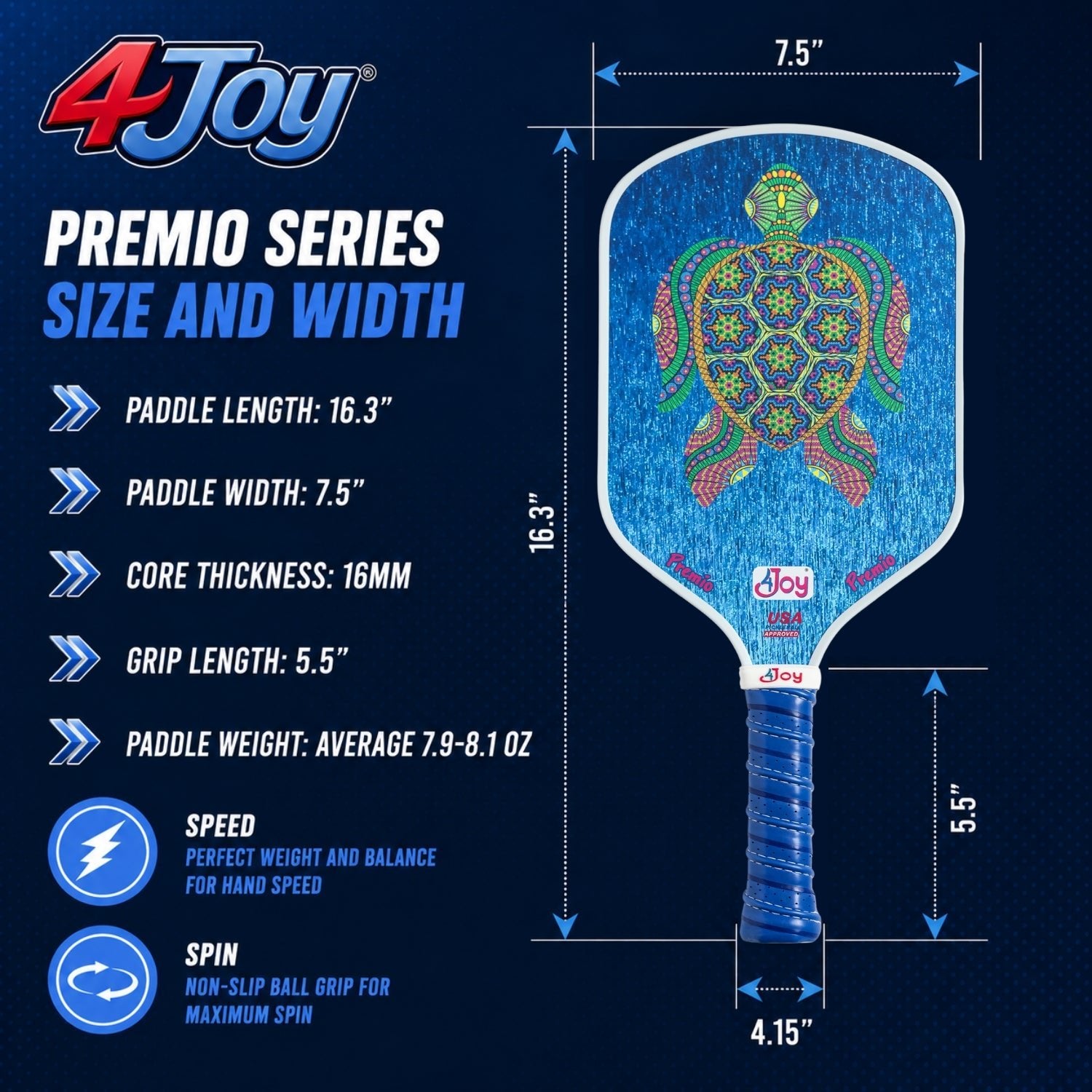
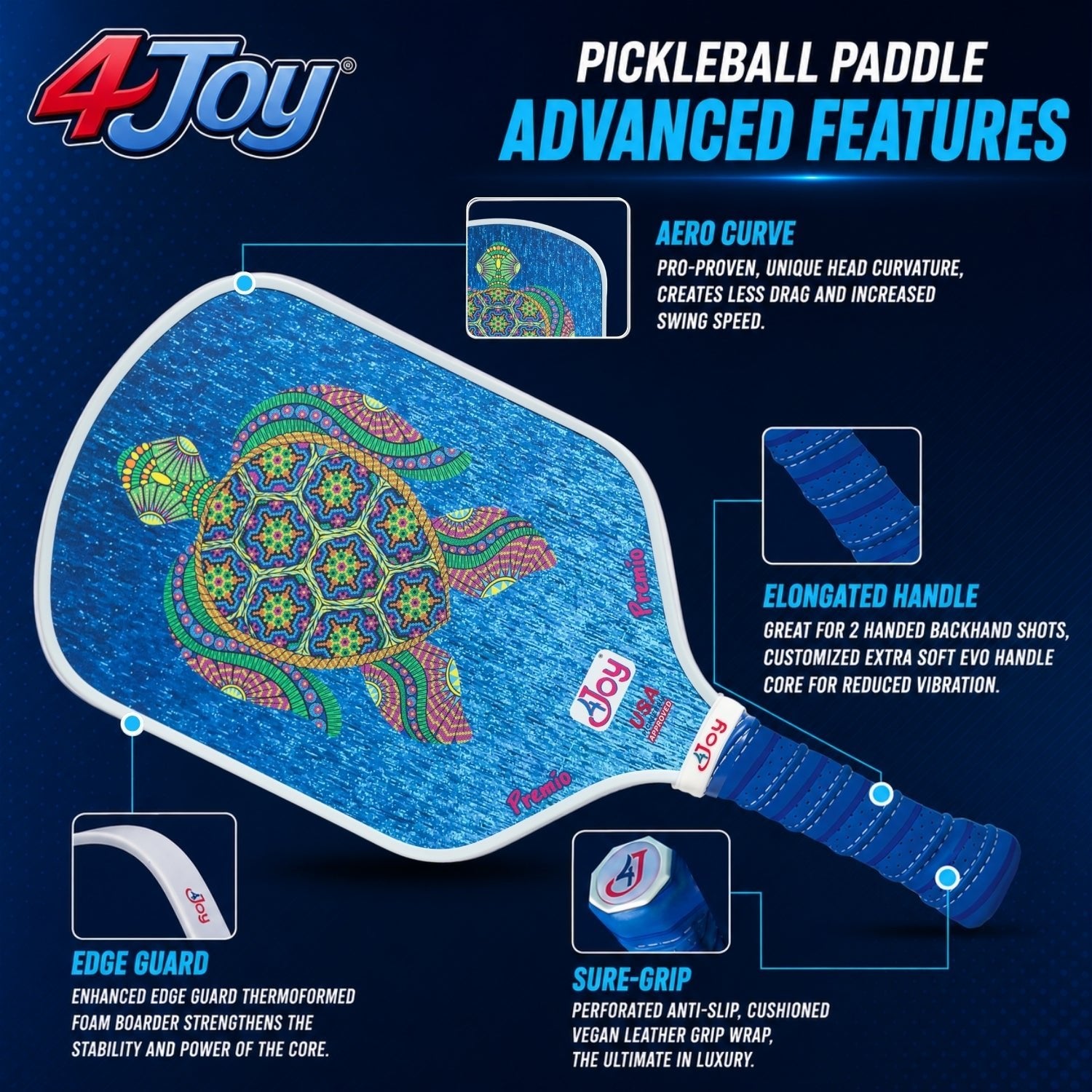
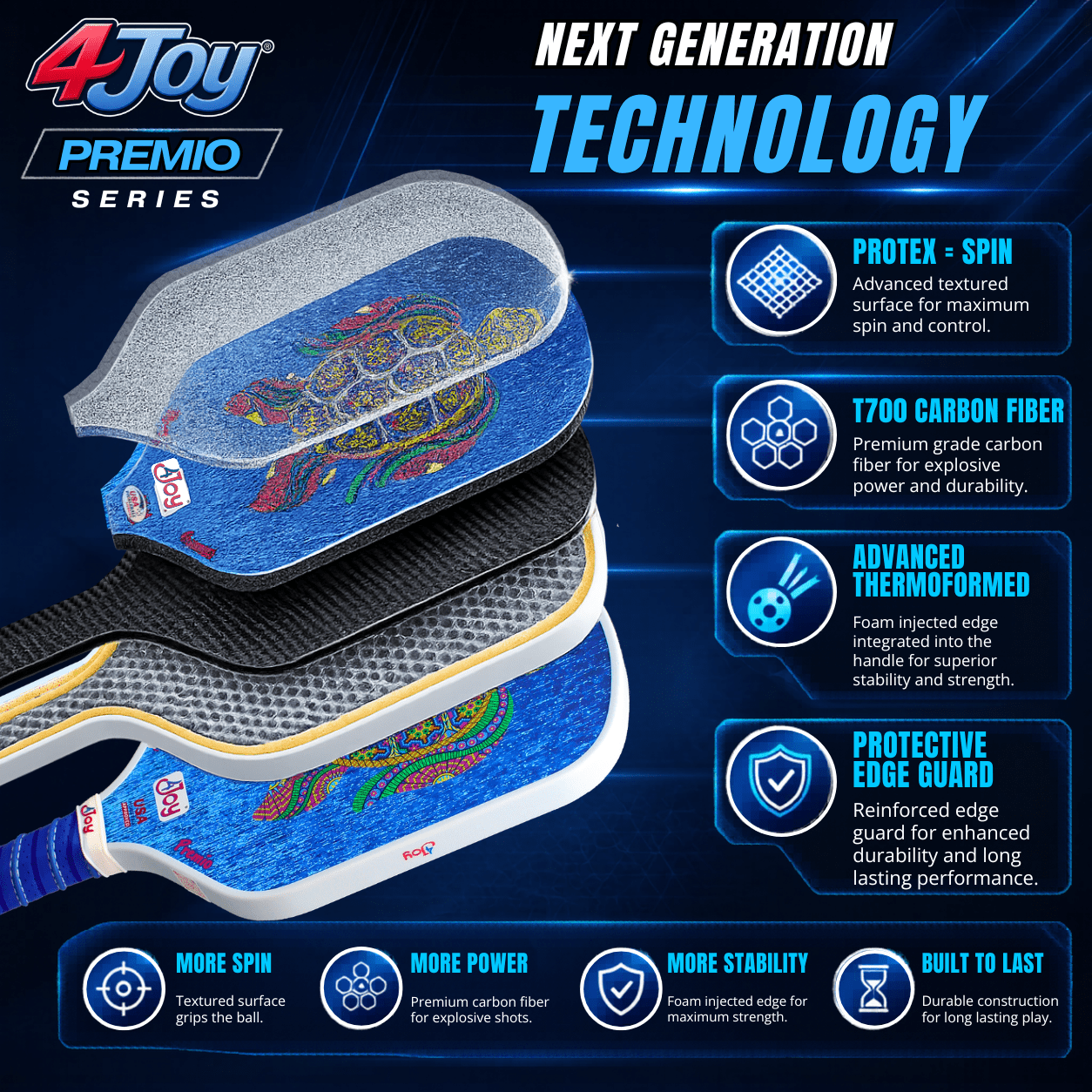
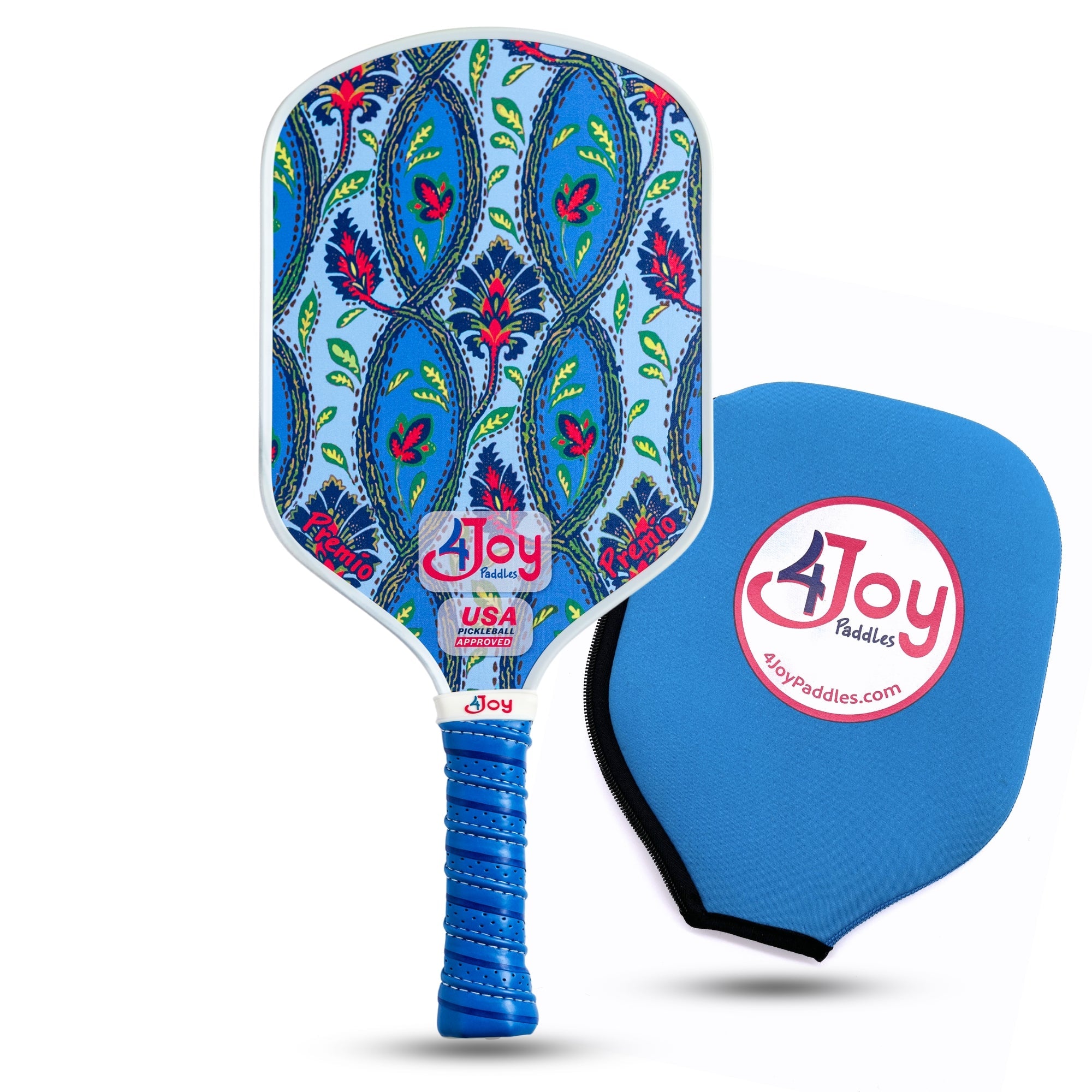
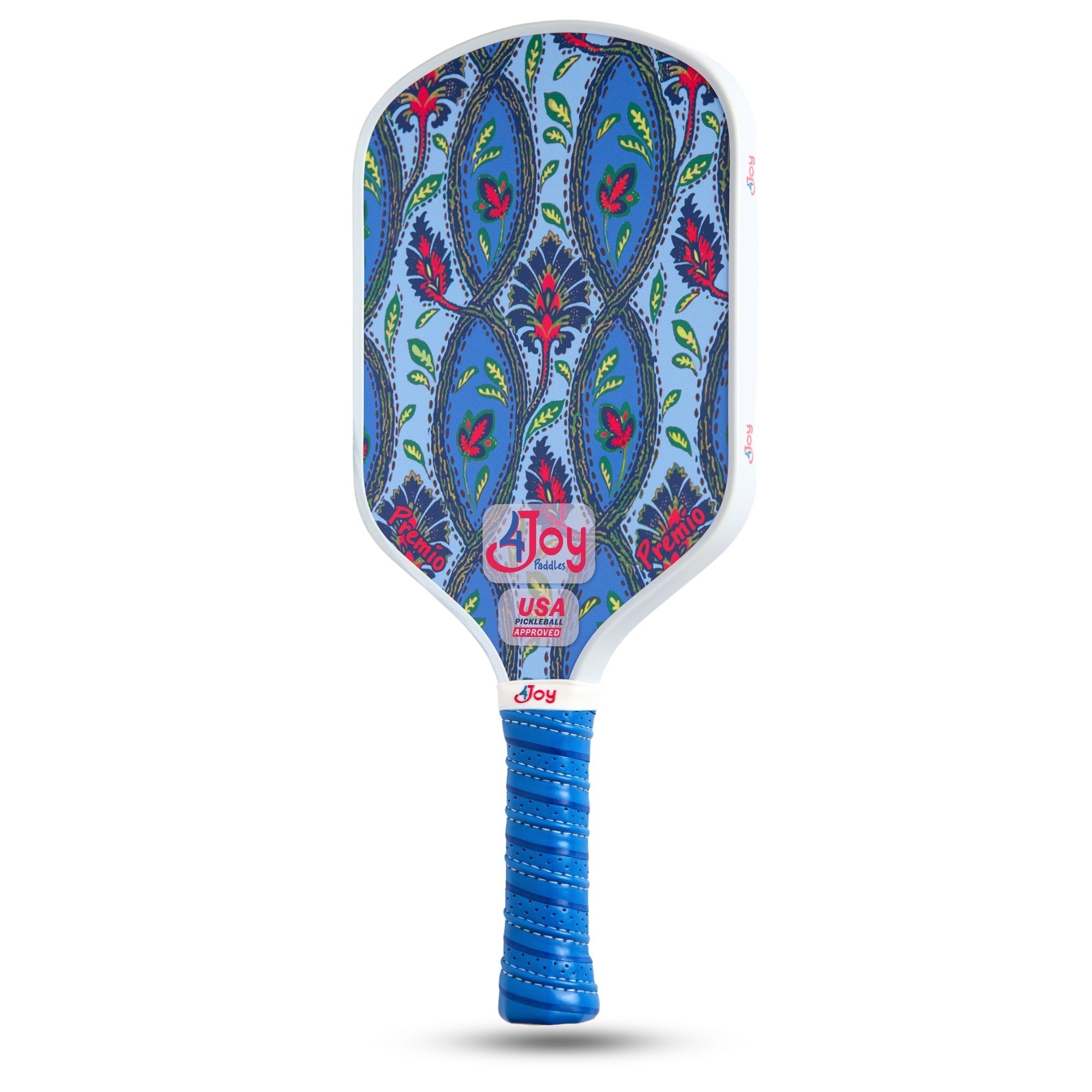
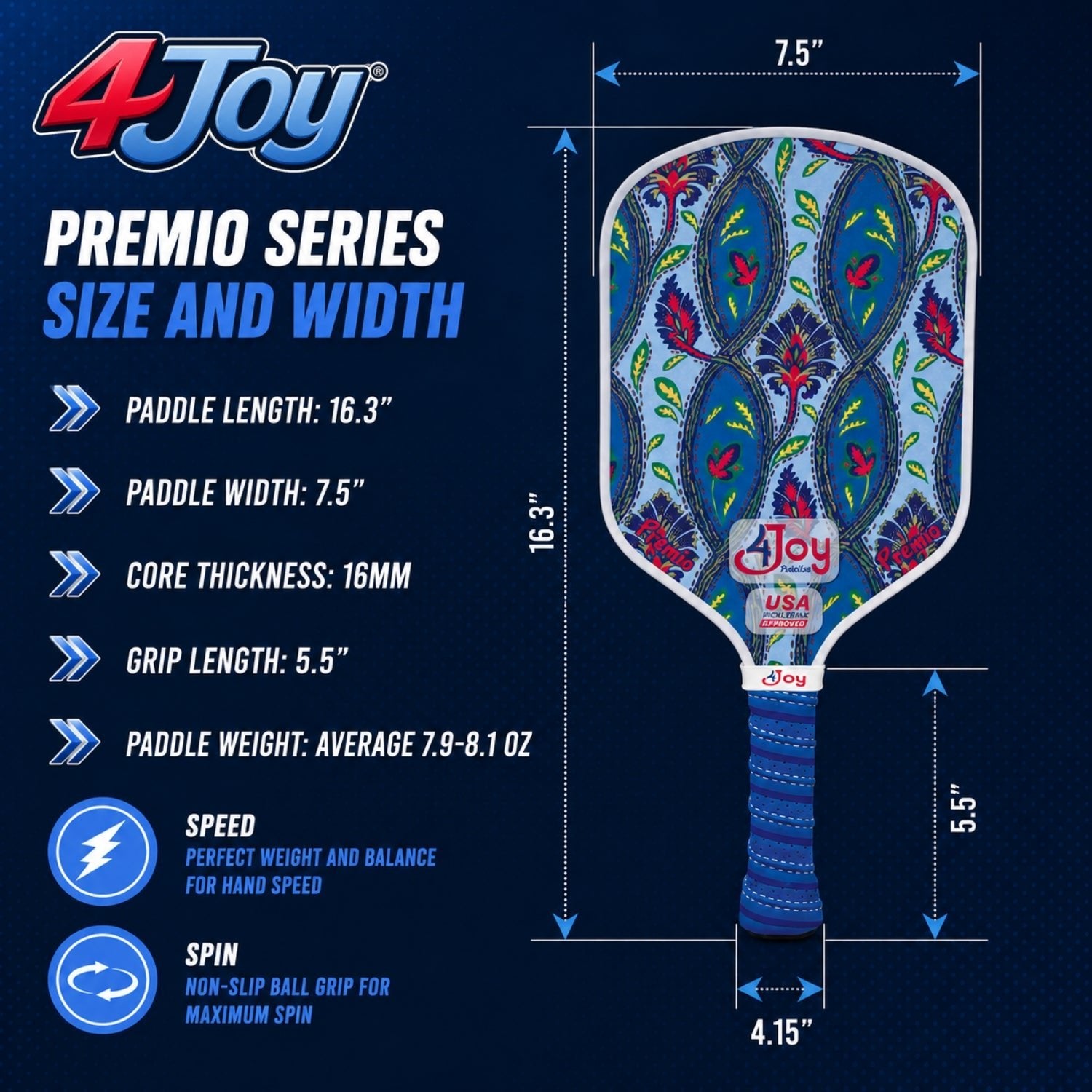
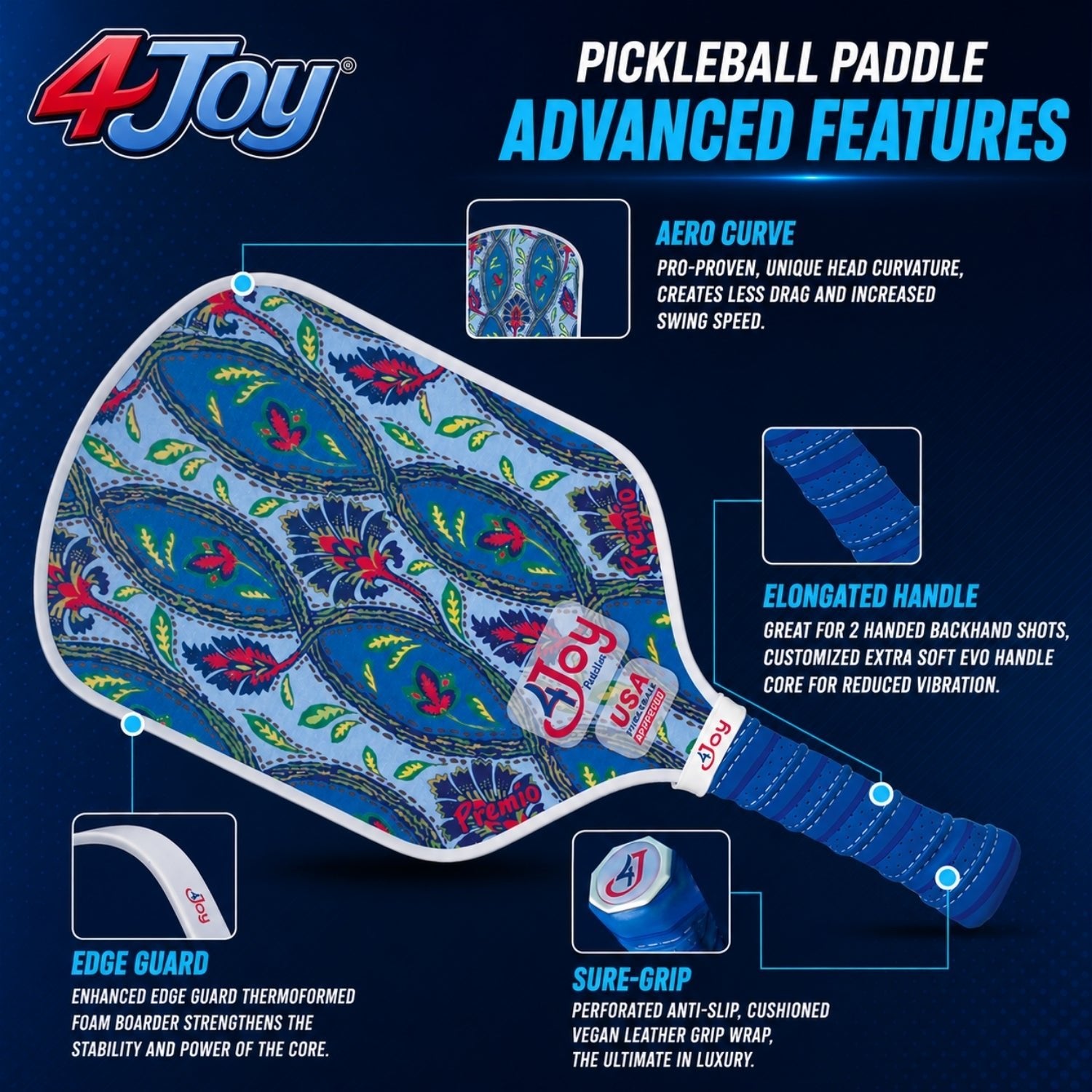
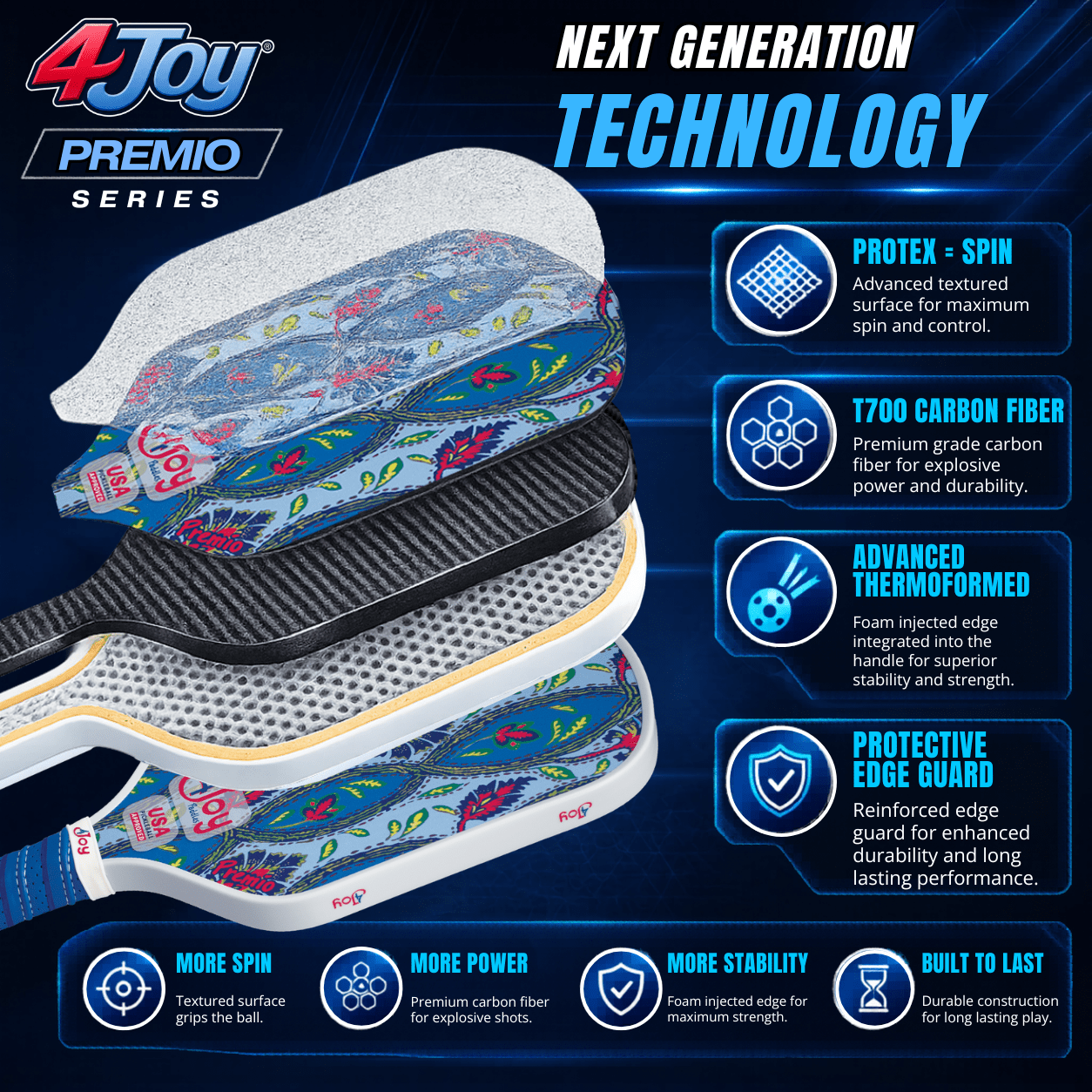
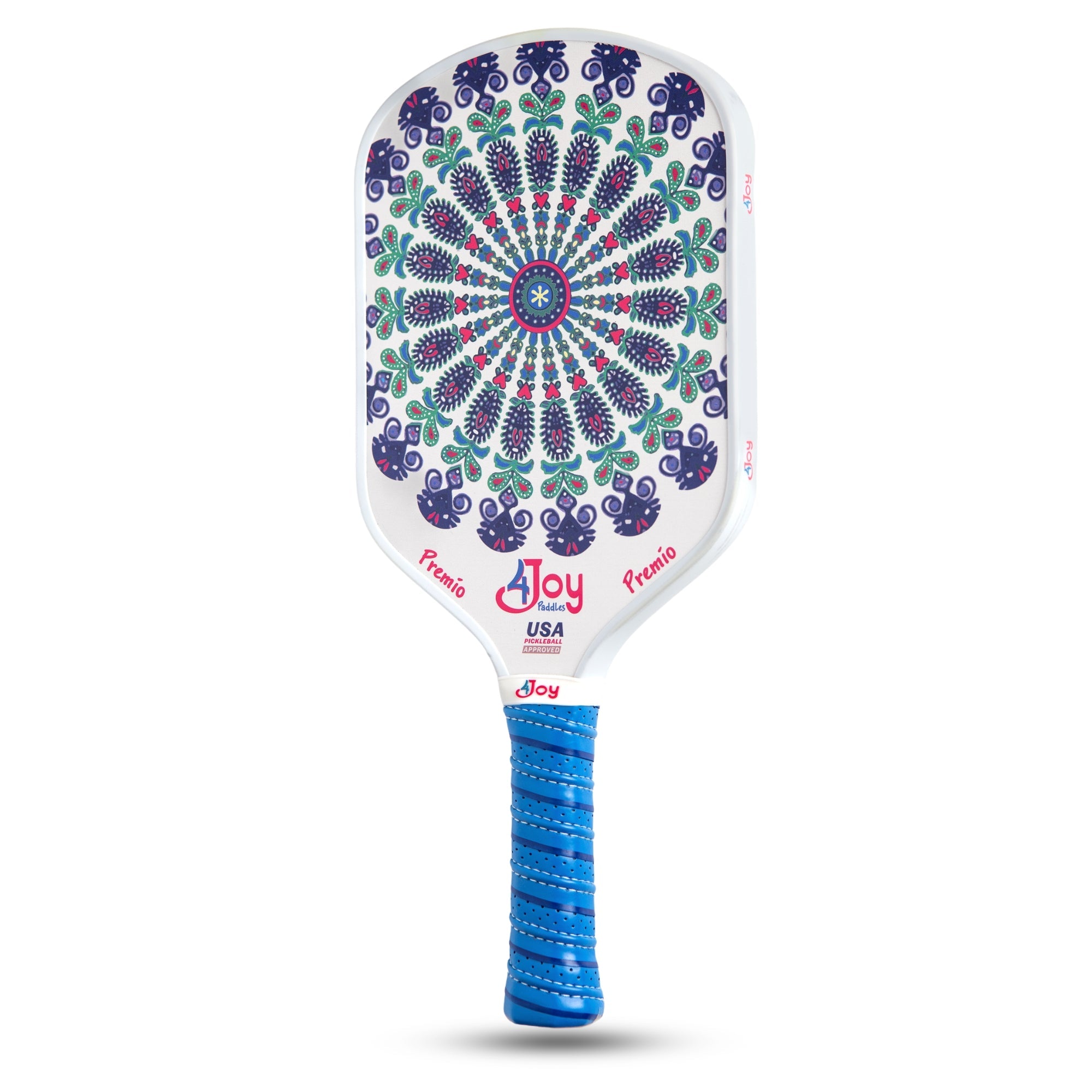
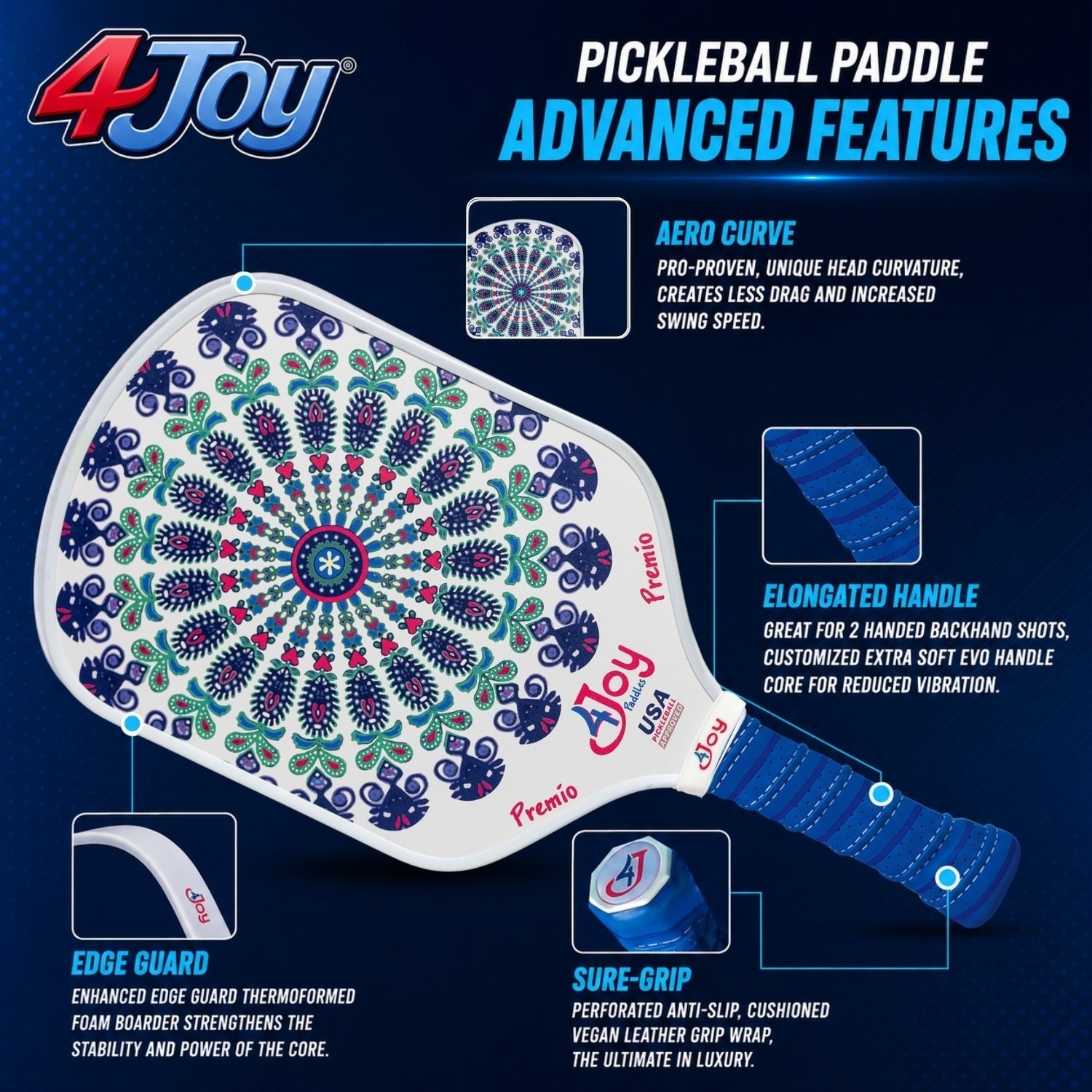
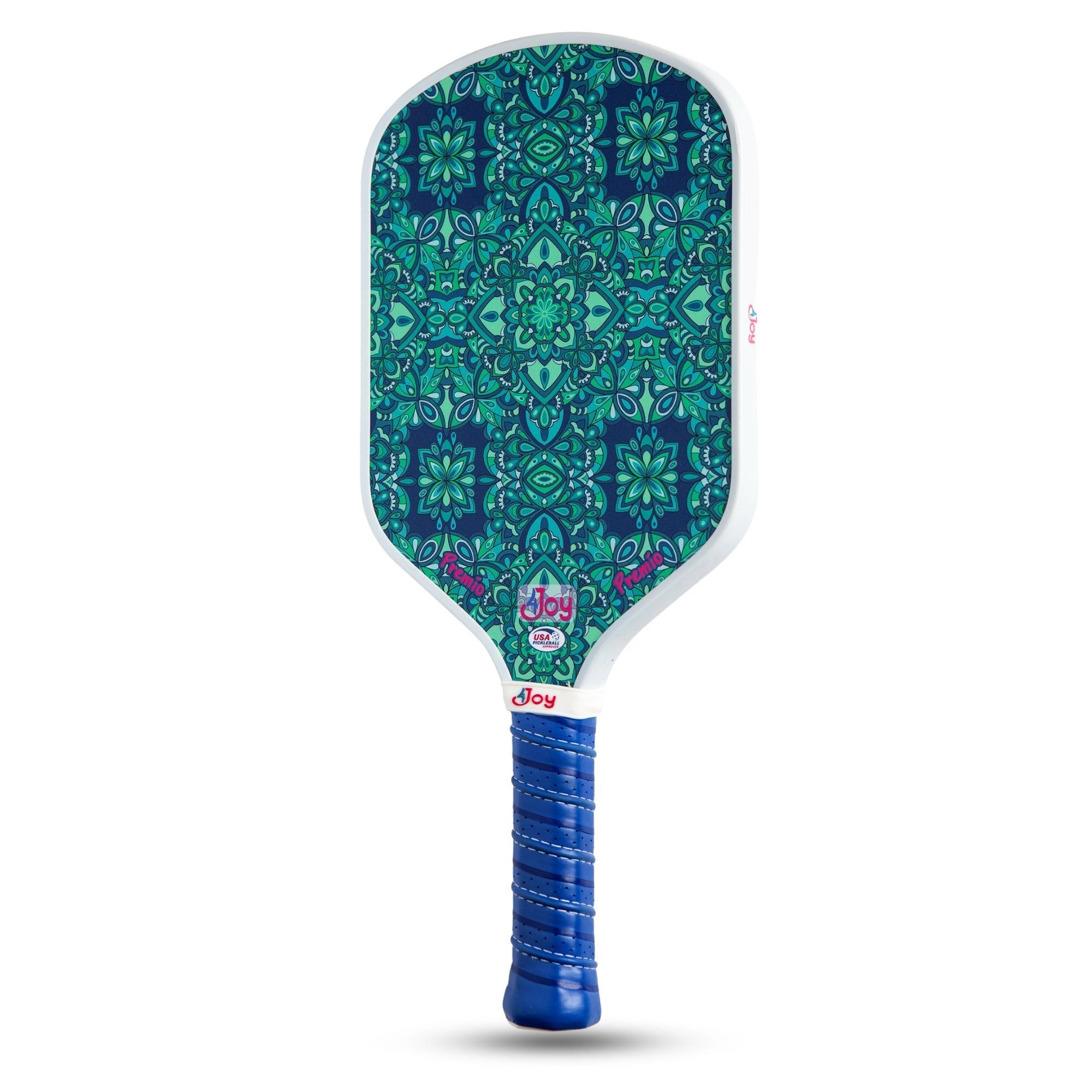
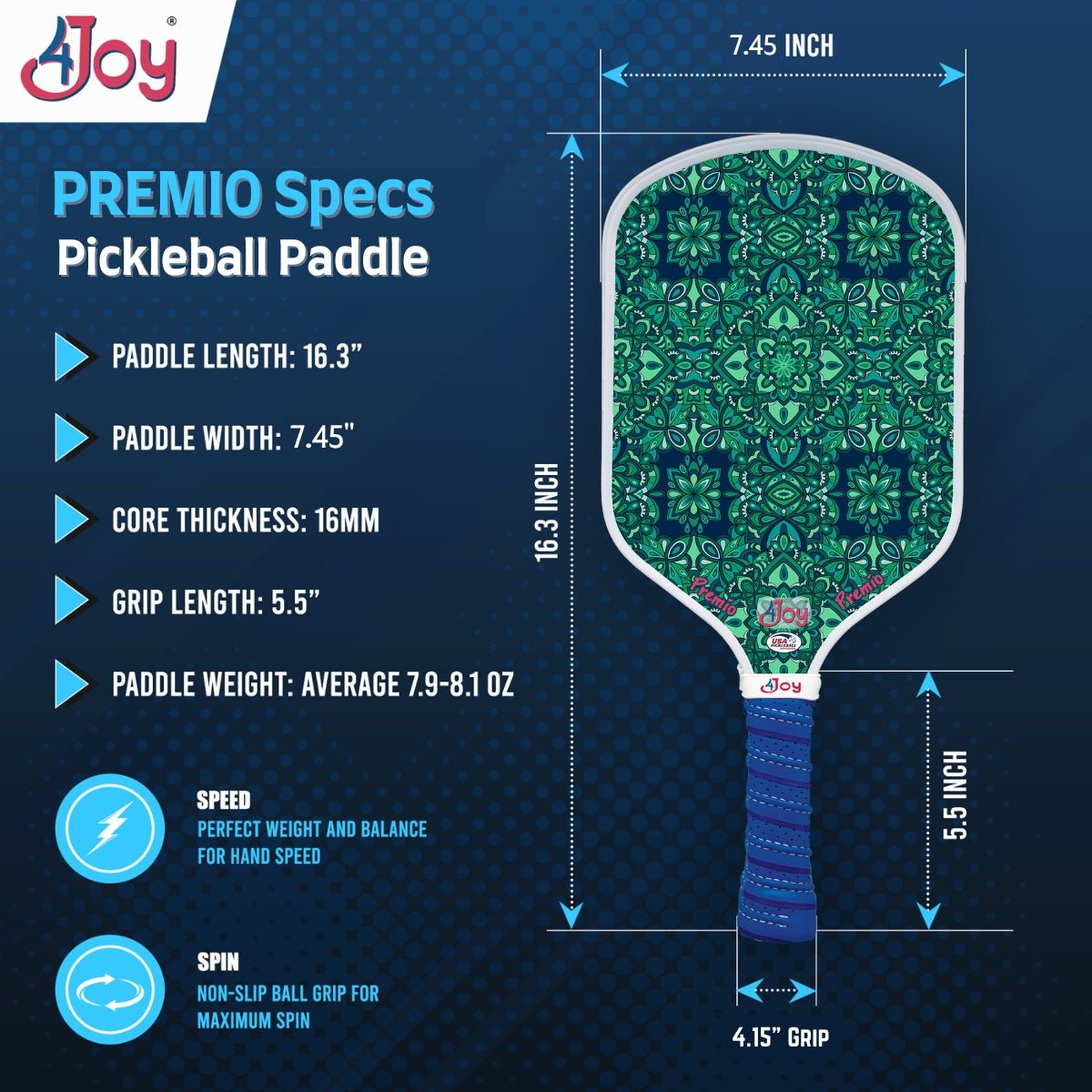
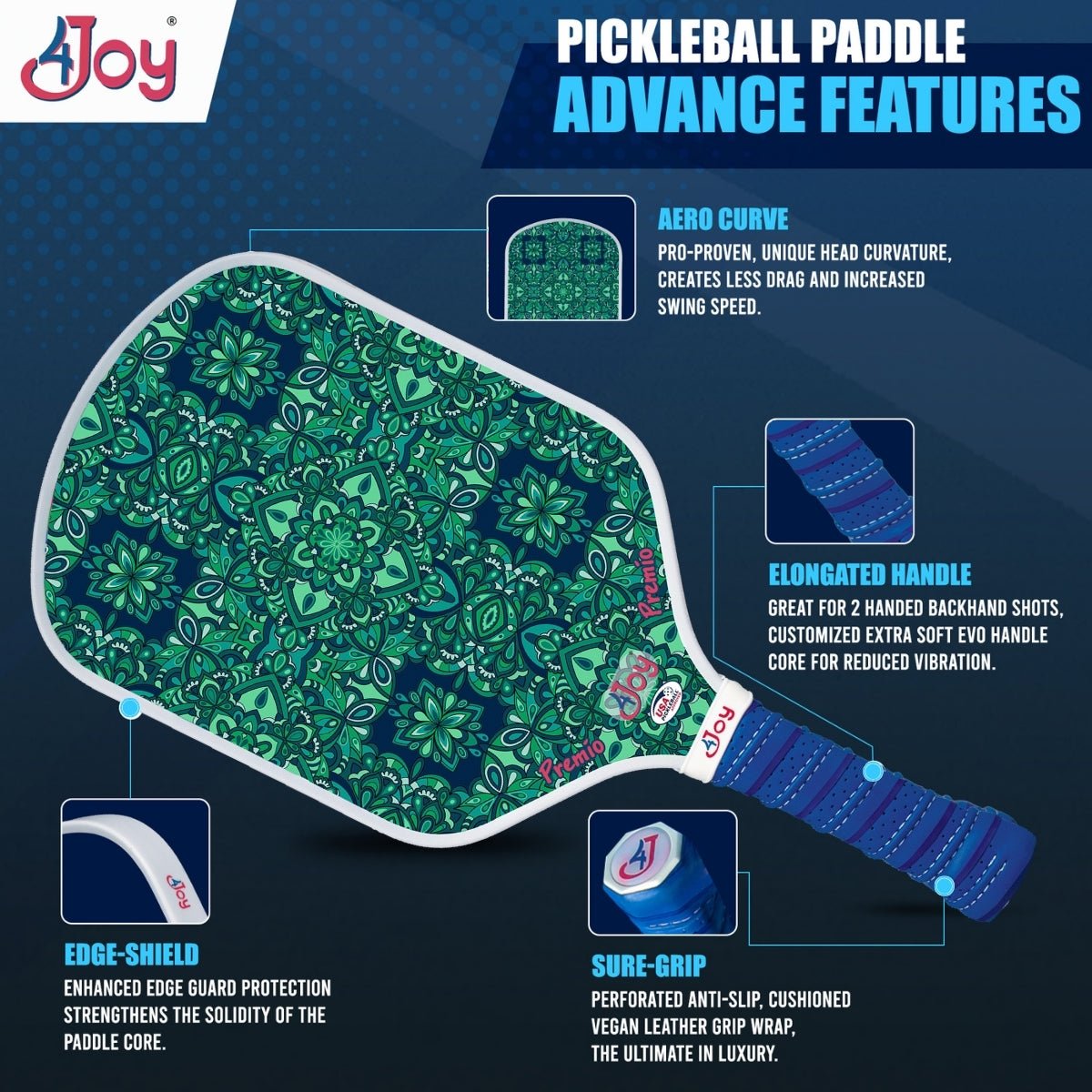
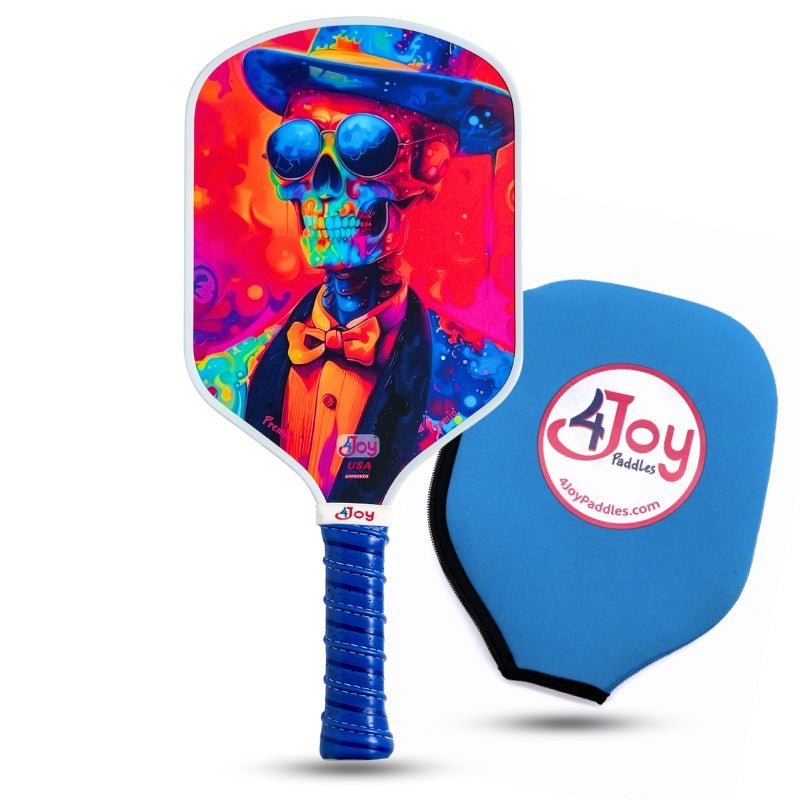
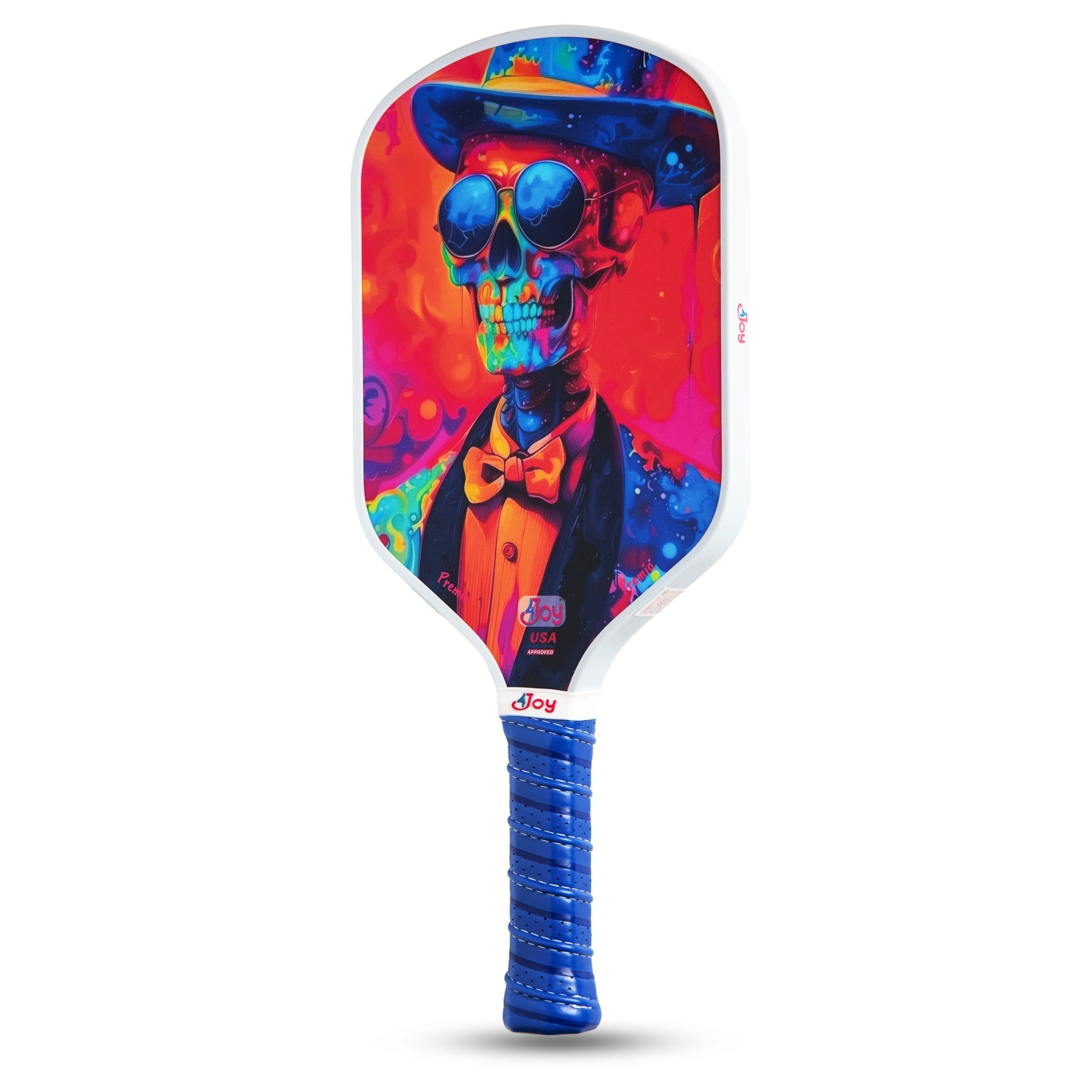
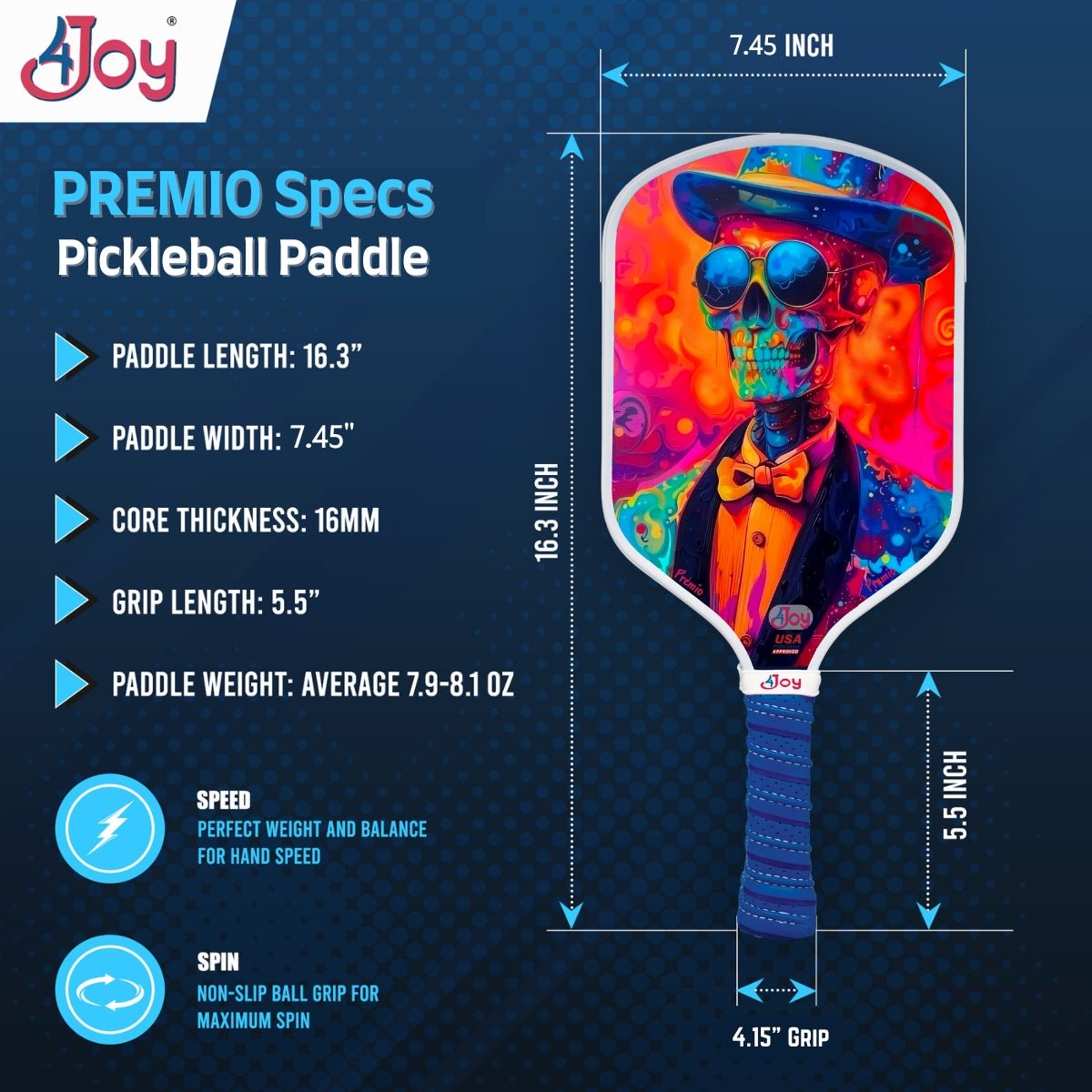
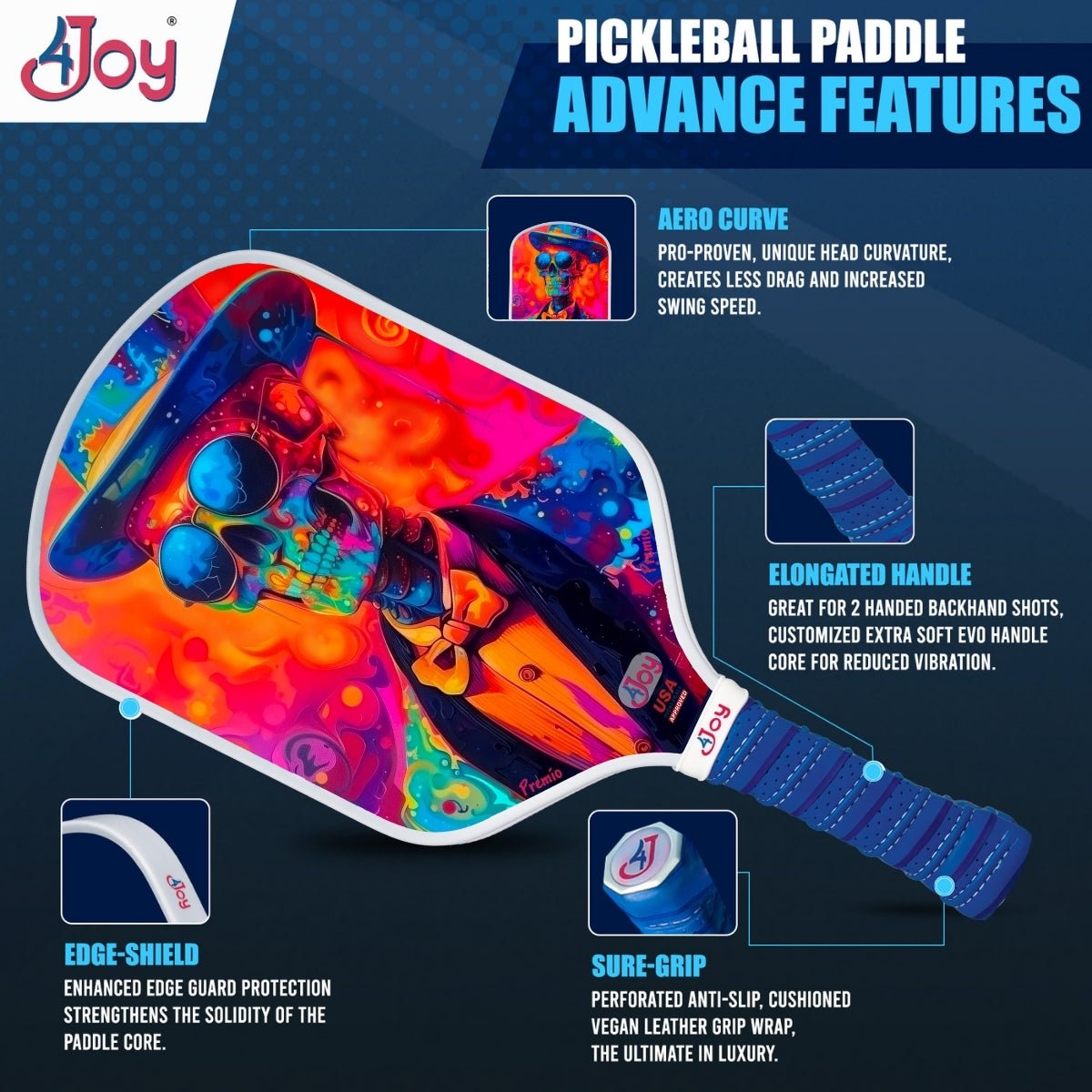
- DinkForPink Special Edition Premio ($135): Our balanced, all-court paddle with a textured T700 carbon fiber face.
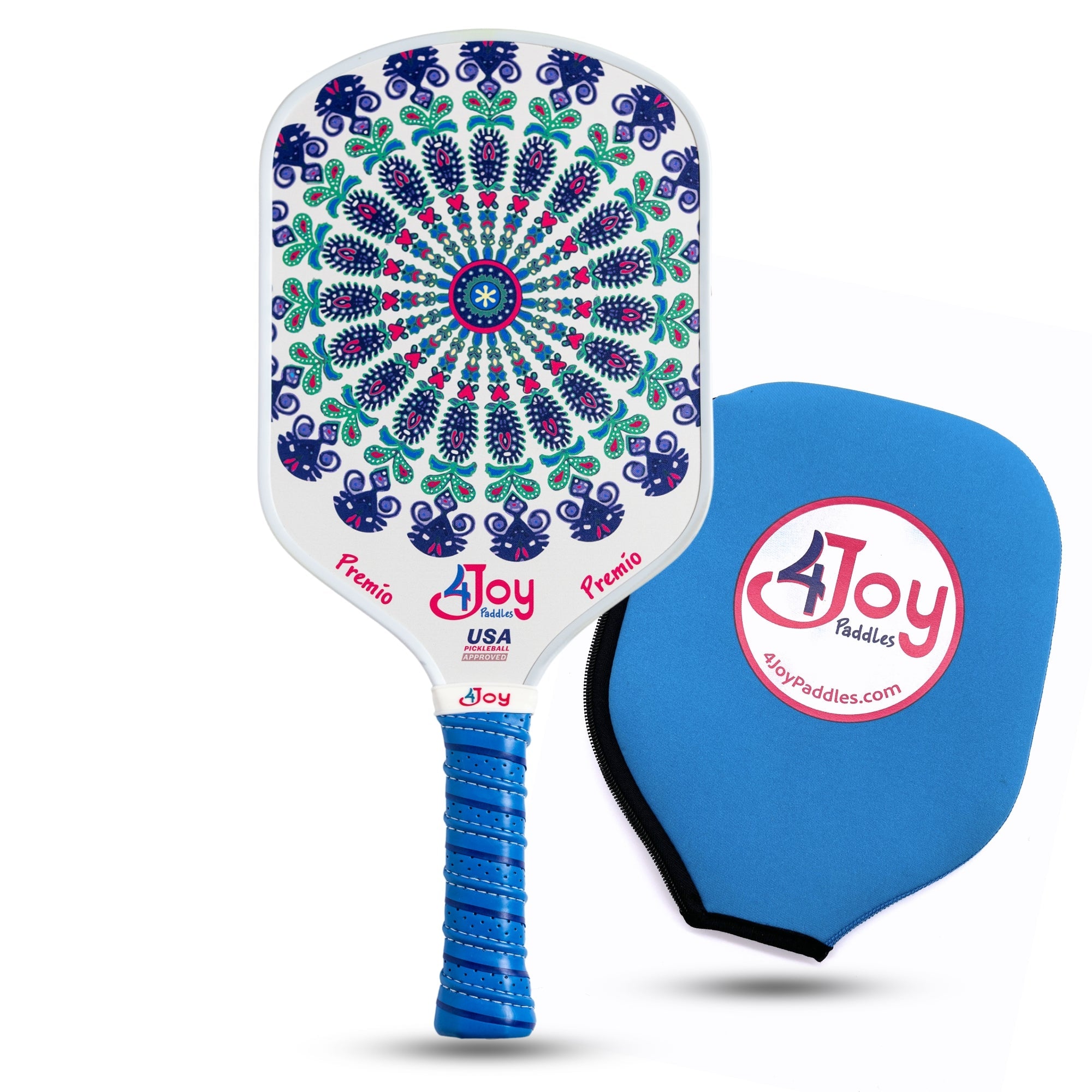
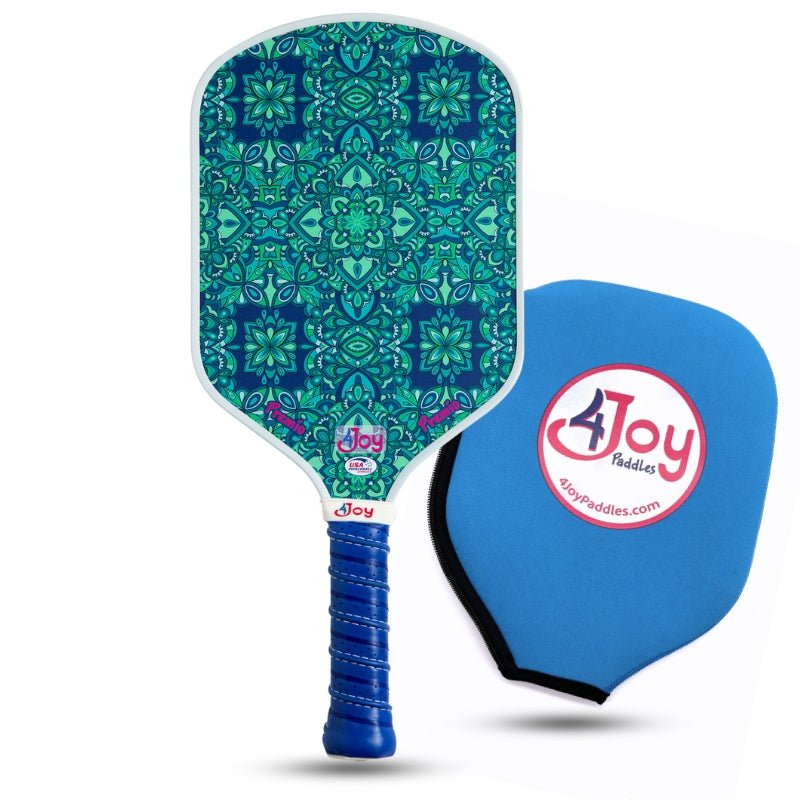
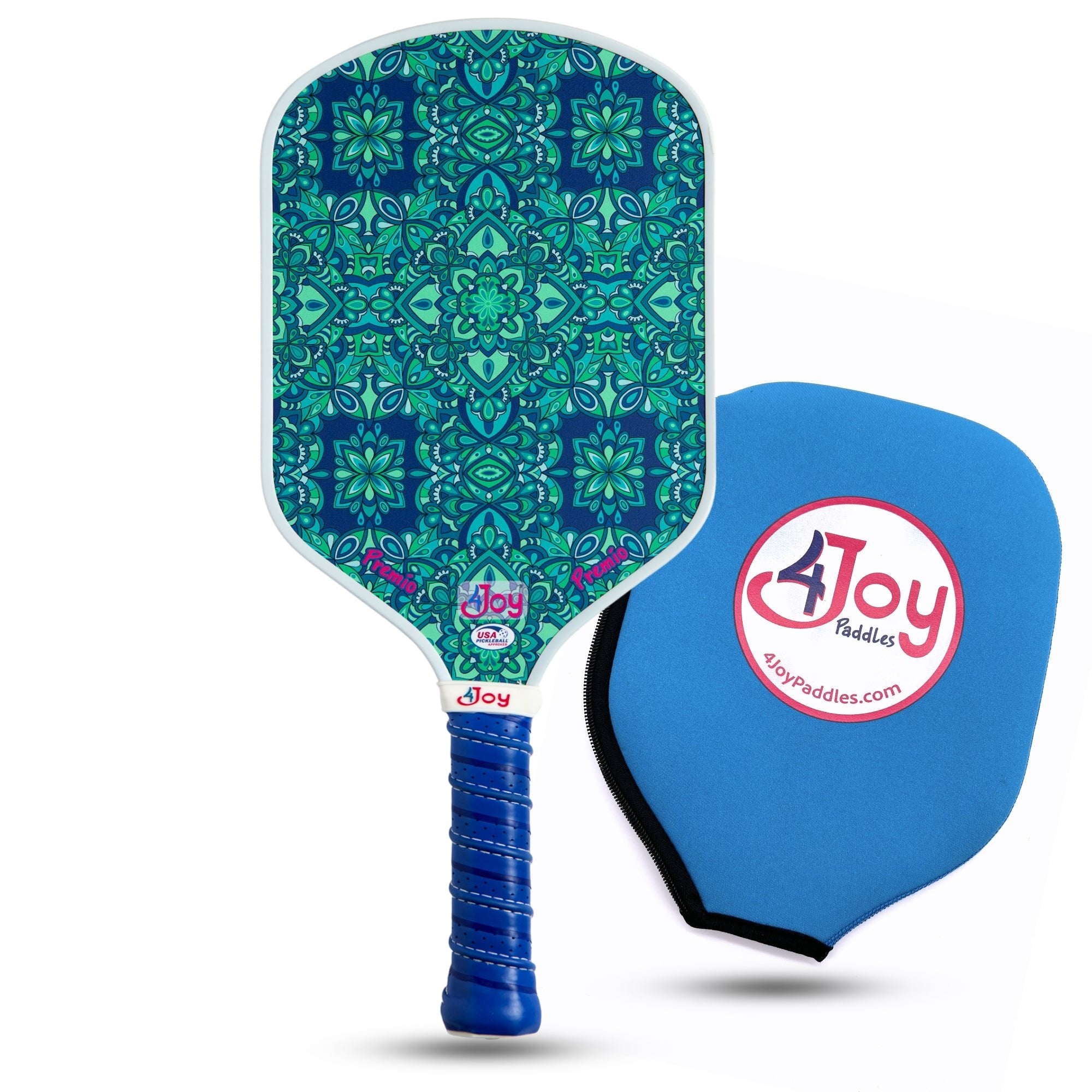
- Premio Bundle DinkForPink ($165): The Premio paddle plus extras, ready to give.
5 Ways to Take Part This October
- Book your screening, or remind someone you love to book theirs.
- Wear pink to open play and invite your group to join you.
- Host a pink event. Our guide to hosting a pink pickleball fundraiser walks you through it step by step.
- Play for someone. Tell your partners who you're playing for this month.
- Play pink. Pick up a DinkForPink paddle for yourself or as a gift. Ordering for a group or event? Email us at joy@4joysports.com.
More than forty years ago, one sister kept a promise to another. Every pink ribbon, every pink paddle, and every conversation about screening this October carries that promise forward.
Frequently Asked Questions
Why is October Breast Cancer Awareness Month?
National Breast Cancer Awareness Month began in October 1985 as a weeklong campaign by the American Cancer Society and the pharmaceutical division of Imperial Chemical Industries to promote mammograms and early detection. It grew into a month-long observance held every October.
Who was Susan G. Komen?
Susan Goodman Komen died of breast cancer in 1980 at age 36. Her sister, Nancy G. Brinker, founded Susan G. Komen® in 1982 to keep a promise to end the fear and suffering caused by the disease.
Where did the pink ribbon come from?
It grew out of Charlotte Haley's peach-colored ribbons in the early 1990s. When she declined to let companies use her ribbon, Self magazine and Estée Lauder created a pink version, which spread nationwide in 1992.
Sources: Susan G. Komen, biography of founder Nancy G. Brinker; Rutgers Genetics Coordinating Center, History of Breast Cancer Awareness Month; Cancer Therapy Advisor, Breast Cancer Awareness Month: Its History and the Pink Ribbon.