
The short answer: Pickleball's sharp "pop" carries, and as courts pop up near homes, some neighbors are pushing back. Players can help by respecting court hours, keeping the volume down, supporting sound-reducing measures, and showing up respectfully when their town decides where courts go.
It's Happening Right Now
In late September 2026, the Charleston City Council in South Carolina put off a vote on four new pickleball courts at a West Ashley park after neighbors raised complaints, with noise as the top concern. The council planned to take it up again on October 13.
Charleston isn't alone. As pickleball keeps growing, towns across the country are working out where courts belong and how to keep the peace with the people who live next to them.
Why Is Pickleball So Loud?
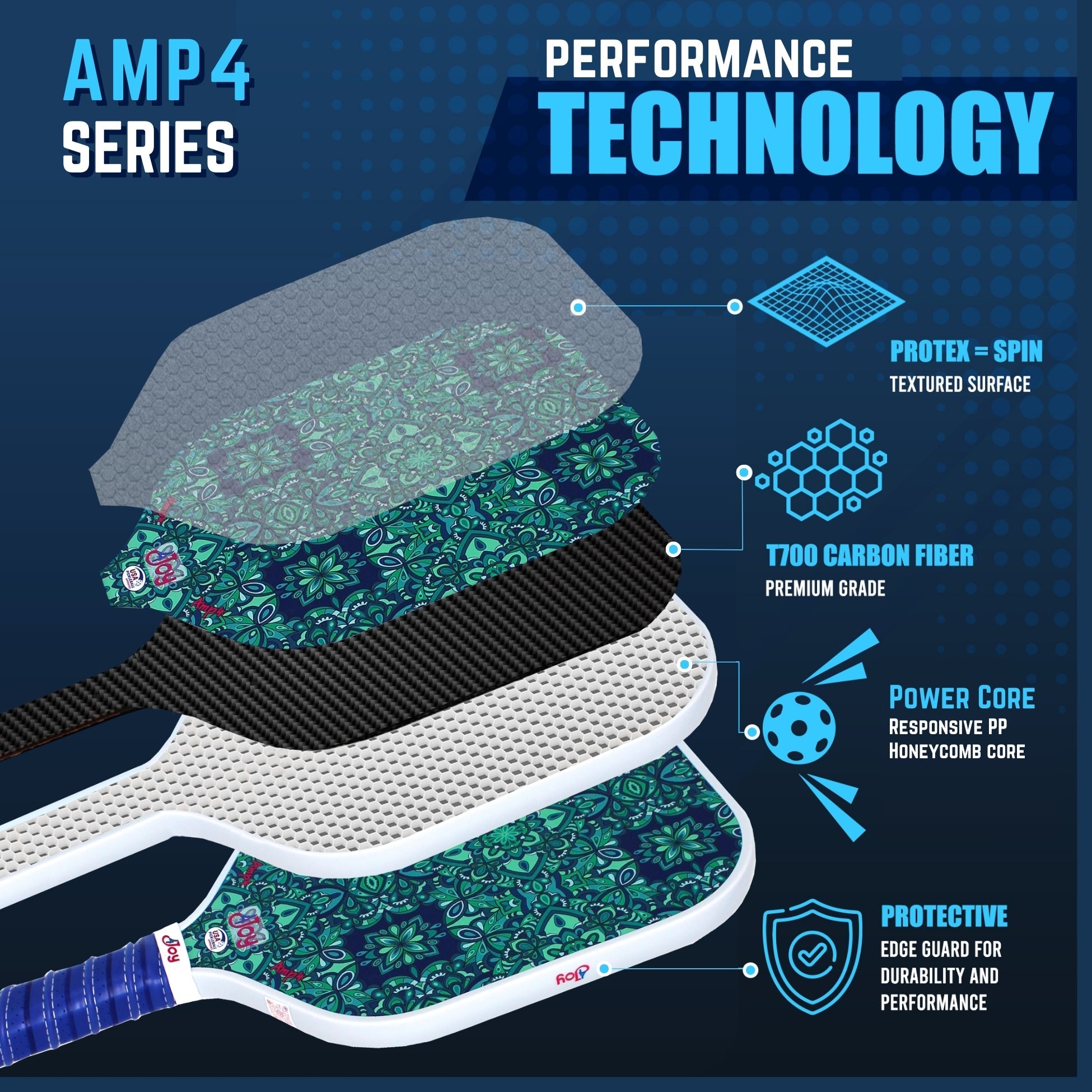
It comes down to materials. A hard paddle hitting a hard plastic ball makes a sharp, high-pitched pop. Unlike the softer thud of a tennis ball, that sound cuts through the air and carries. Add four players, several courts, and plenty of cheering, and it adds up fast for anyone nearby.
What's Being Done About It
USA Pickleball, the sport's national governing body, has created Quiet Category and Noise-Reduced Category designations for paddles and balls designed to lower sound. It also points facilities toward sound-reducing materials like acoustic fabrics and sound-absorbing panels, and offers design guidance to clubs and towns planning new courts. You can learn more on USA Pickleball's acoustics page.
5 Things Players Can Do
1. Respect posted hours
Early mornings and evenings are when noise bothers neighbors most. If your court has hours, stick to them, even when the game is too good to stop.
2. Keep celebrations court-sized
Cheer for the great point. Just skip the yelling across three courts, especially on courts close to homes.
3. Use quiet equipment where it's required
Some courts now require quieter paddles or balls. If yours does, follow the rules. It's often part of the deal that kept the courts open.
4. Support sound barriers
If your club or town is considering acoustic panels or fencing, speak up in favor. They cost money, but they can be the difference between courts staying open and courts getting shut down.
5. Show up, and be kind
When your town debates new courts, go to the meeting. Listen to neighbors' concerns and speak respectfully. The best argument for pickleball is a community of players who are good neighbors.
Play With Purpose
At 4Joy®, we believe pickleball is at its best when it brings people together, and that includes the people who live next to the courts. A little courtesy goes a long way toward making sure the game keeps growing.
Want more on court courtesy? Read our 13 unspoken rules of pickleball etiquette.
Frequently Asked Questions
Why do neighbors complain about pickleball?
The main complaint is noise. The sharp pop of a paddle hitting a hard plastic ball carries farther and sounds harsher than many other sports.
Are there quiet pickleball paddles?
Yes. USA Pickleball recognizes paddles and balls in its Quiet and Noise-Reduced categories. You can view the list on USA Pickleball's equipment website.
How can my club reduce pickleball noise?
Common options include sound-absorbing fence panels, acoustic fabrics, limited hours, and quieter equipment. USA Pickleball's facilities team offers guidance for clubs and towns.