
The official rulebook tells you how to play pickleball. It doesn't tell you how to be the player everyone wants back next week. These are the unwritten rules: the courtesies regular players pick up over time and newer players often learn the hard way. Learn them now and you'll fit in on any court.
The short answer: When in doubt, call it in. Aim body shots low, never high. Don't target the weakest player, coach only when asked, tap paddles before and after, call the full score out loud, and toss stray balls back gently.
Line Calls
Good line calls are the foundation of good rec play. There's usually no referee, so the game runs on trust.
- When in doubt, it's in. If you didn't clearly see the ball land out, call it in, even if it costs you the point.
- Back your partner's call. If your partner calls a ball out, don't overrule them in front of the other team. Talk it through quietly if you need to.
- Don't question every call. Ask about a call when you honestly saw something different. Don't make a habit of it.
- Don't fish for calls. Playing a ball and then hoping your opponent calls it out puts them in an unfair spot.
- If it's close, play it. Hesitating on a close ball usually costs you more than playing it would.
- Replay disputed points. In rec play, if the two teams can't agree on a call, replay the point and move on.
- Wait for the bounce. Don't call a ball out while it's still in the air. Let it land, then make the call.
Body Shots
Hitting at a player's body is part of the game, but how you do it matters.
- Hard at the body is fair play. A firm shot at a player's body is a legitimate tactic.
- Don't wind up at close range. A full-power slam at someone a few feet away crosses the line.
- Match your power to your opponent. Read the court. A shot that's fine against a strong, experienced player may not be fine against someone who's newer or slower to react.
- Aim low, never high. If you go at someone's body, aim at the hips or feet. A miss that goes high toward the face is how people get hurt.
- Never hit someone who has turned away. If a player turns their back to protect themselves, take the open court.
- Take the open court on easy put-aways. When the point is already yours, hit into open space, not at a person.
Rec Play
- Coach only when asked. Unsolicited advice rarely lands well, however well meant.
- Don't pick on the weaker player. Hitting every ball to one player wears out their enjoyment fast.
- Don't poach constantly. Crossing over to take your partner's shots is fine now and then. Do it all game and your partner might as well sit down. The exception is when your opponents are freezing your partner out and you need to step in.
- Pick games that fit your level. If you're clearly the weakest player on the court, find a game closer to your skill level.
- Don't distract the server. Don't wave, move, or stand in your partner's box while they're returning serve.
- Keep your frustration to yourself. No eye-rolling at your partner during the game and no unkind words afterward. The same goes for frustration with your own play. A partner who keeps yelling at themselves drags down the mood for all four players. Shake off the miss and reset for the next point.
- Let players own their kitchen faults. In rec play, don't police your opponents' feet. Keep your own feet out of the kitchen, too.
- Shake off getting hit. It's a plastic ball. Everyone has been hit, and everyone will be hit again.
- Don't take advantage of court flaws. Cracks, dead spots, or a bad bounce off the fence shouldn't become your strategy.
- Keep playing if a stray ball isn't in the way. Only stop the point if the ball creates a real hazard.
- Skip timeouts in rec play.
- Go easy on lobs and drop-shot runs against players with limited mobility.
- Save stacking for tournaments.
- Mix up your game. Don't drive every ball. Pickleball is fun because of soft shots, resets, and rallies.
- Warm-up is for warming up. Hit easy shots your opponent can return. Don't try to blast winners.
- Doubles gets priority over singles when courts are busy.
- Be patient with beginners. Most of us were beginners not long ago.
- Save the big "C'mon!" for match play. In practice, keep it low-key.
Sportsmanship
- Introduce yourself and tap paddles before the game, and tap again after. It's a light tap, not a smack.
- Say sorry when it's warranted: when you hit someone, when your ball clips the net cord and dies, or when you win a point off a mishit.
- Celebrate great shots on both sides. Cheer your own winners, and give your opponents a "nice shot" when they earn one. Don't celebrate their unforced errors.
- Call the score clearly. Say the full score, and say it loud enough for all four players to hear.
- Ask before you film. Get everyone's OK before you record a session.
Court Etiquette
- Close the gate behind you when you enter a court.
- Hustle when your ball goes onto another court so you don't hold up their game.
- Don't walk behind a court during a point. Wait until the rally ends.
- Return loose balls kindly. Pick up the ball and hand it or toss it back gently. Don't roll it across the court, kick it, or whip it at the players. Everyone's ball strays onto another court sometimes, so return it the way you'd want yours returned.
Equipment
- Choose attire that doesn't distract.
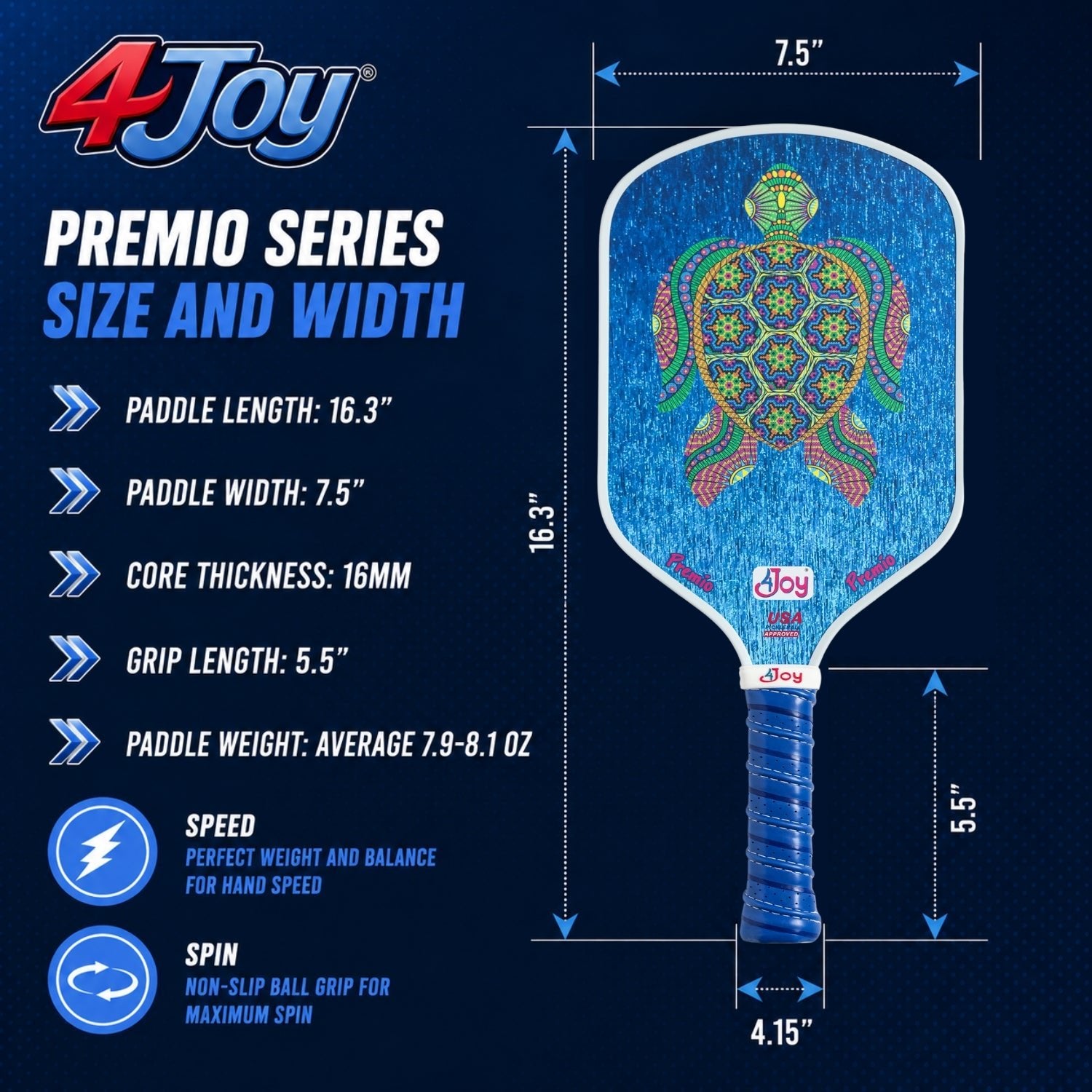
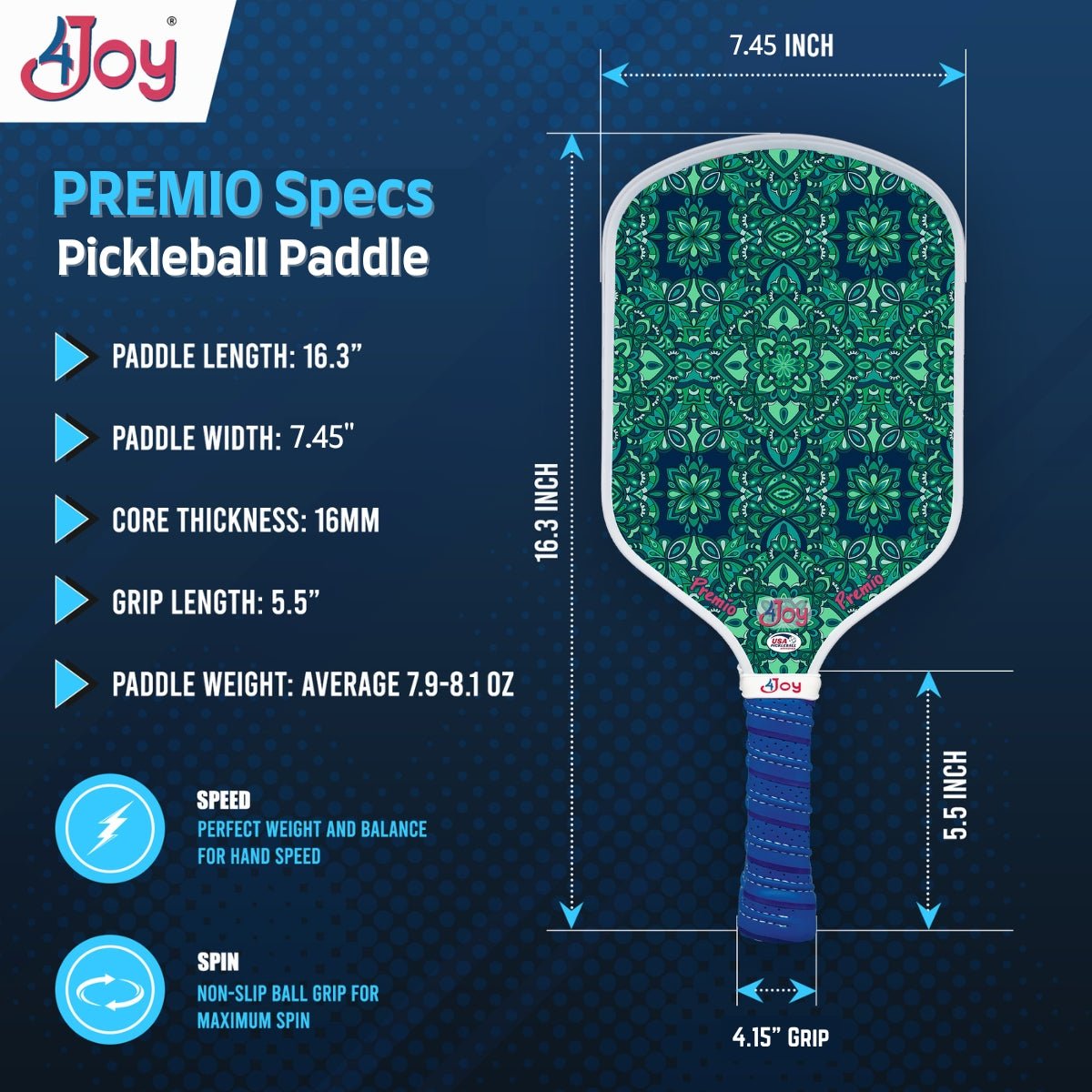
- Play with an approved paddle. Use a paddle approved by USA Pickleball (USAP) or PMA.
- Bring balls sometimes. If you never bring balls, you don't get to complain about the ones being used.
- Don't touch someone else's paddle without asking.
- It's a paddle, not a racket.
Follow these and you'll be welcome on any court. Got an unwritten rule we missed? Tell us. We'd love to hear it.
Frequently Asked Questions
Who makes line calls in rec pickleball?
In rec play there's usually no referee, so players call the lines on their own side of the court. If you're not sure a ball was out, call it in. If the two teams can't agree, replay the point.
Is it OK to hit the ball at another player in pickleball?
A firm shot at the body is a normal part of the game. Good etiquette is to aim low, avoid full-power shots at close range, match your power to your opponent, and never hit someone who has turned away.
What should I do if my ball rolls onto another court?
Wait for their point to end before going after it. When someone returns your ball, thank them. When you return theirs, toss it back gently. Don't kick it or slam it across their court.